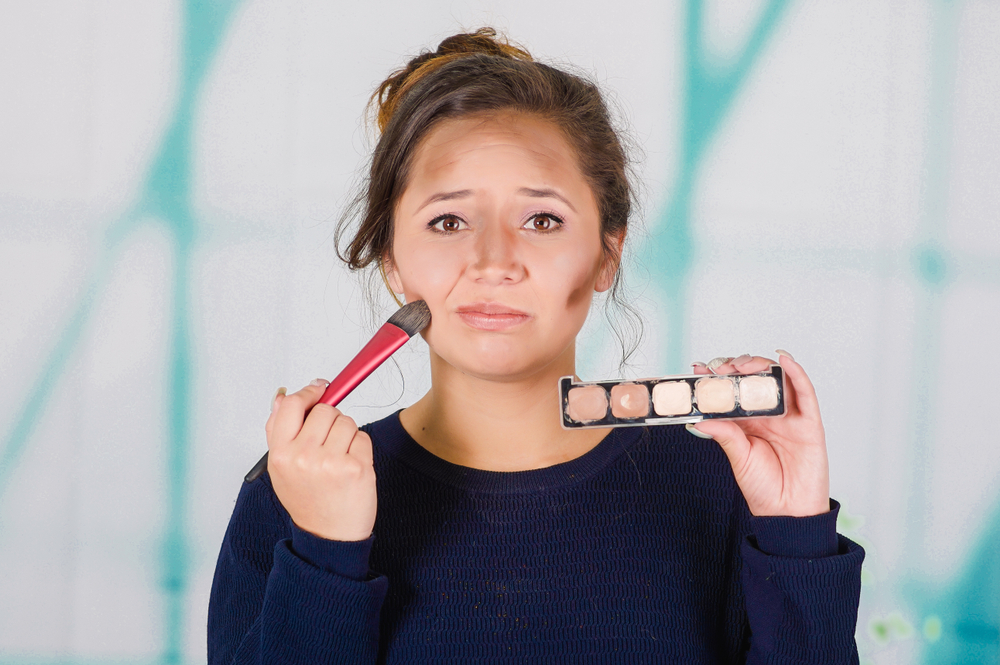
Wellness trends like cold plunges, red light therapy, and intermittent fasting have exploded in popularity, with many claiming they offer life-changing health benefits. From boosting metabolism to improving mental clarity, these hacks promise to optimize the body and mind. But do they work, or are they just another round of overhyped health fads? Scientific research suggests that while some of these hacks have real benefits, others may be less effective—or even unnecessary—for the average person. Here are 10 wellness hacks, their claimed benefits, and whether they truly live up to the hype.
1. Cold Plunges – Do They Improve Recovery And Mental Resilience?
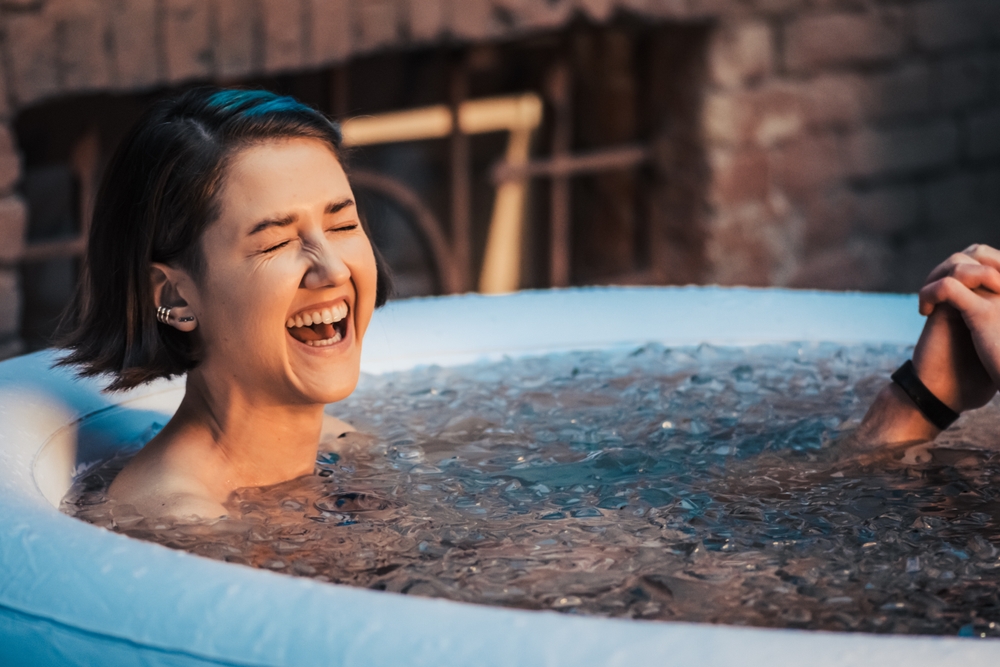
Cold water immersion, also known as cold plunging, involves submerging the body in ice-cold water to reduce inflammation, boost circulation, and improve mental toughness. Proponents claim it speeds up muscle recovery, increases dopamine levels, and even strengthens the immune system. Athletes and fitness enthusiasts swear by it for reducing soreness after intense workouts.
Scientific studies show that cold plunges can help reduce muscle inflammation and soreness, but the effects are often short-term. Regular cold exposure may also improve stress tolerance by training the nervous system to handle discomfort. According to Rejuvenate Me, cold plunge therapy teaches you to embrace discomfort, which can translate into mental toughness in everyday life. However, for everyday people, the benefits may not be drastic enough to justify the discomfort. Cold plunging is effective for mental resilience and temporary inflammation reduction, but it’s not a miracle cure for all health issues.
2. Red Light Therapy–Does It Boost Skin Health And Cellular Repair?
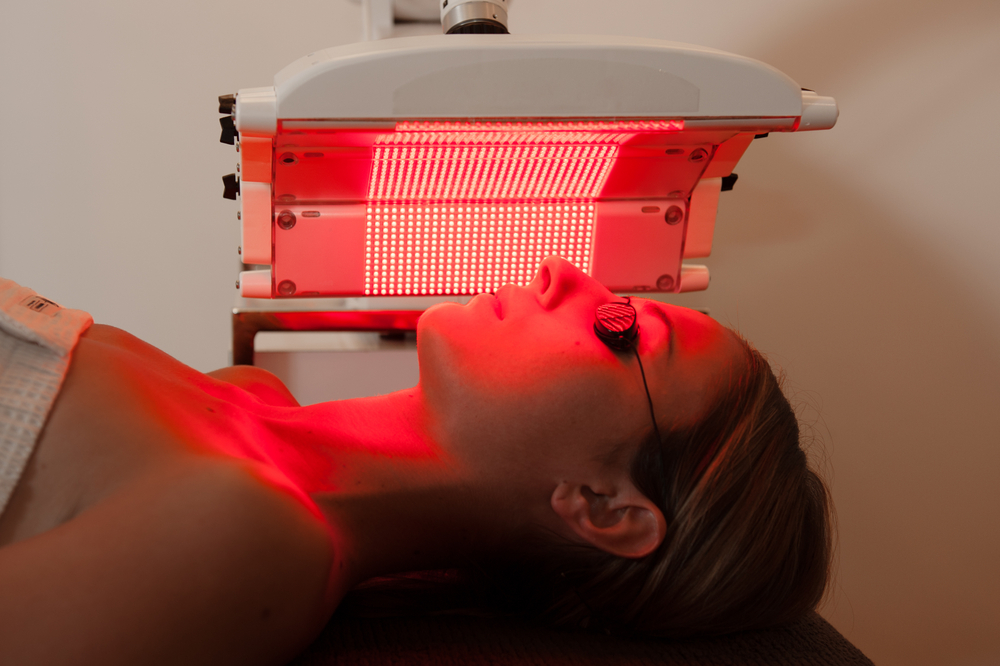
Red light therapy (RLT) uses low-wavelength red light to penetrate the skin and stimulate cellular repair. It’s commonly used to reduce wrinkles, improve skin texture, and promote collagen production. Some also claim it speeds up wound healing, reduces inflammation, and even improves mood and energy levels.
Promising research supports the benefits of red light therapy for skin health, with studies showing it can increase collagen production and reduce signs of aging. Some evidence suggests it may also help with joint pain and muscle recovery. According to Medical News Today, RLT can increase collagen production and reduce inflammation, but its effectiveness depends on the device used. While RLT is not a gimmick, its effects vary, and it works best when combined with other healthy habits.
3. Intermittent Fasting – Does Skipping Meals Improve Longevity?
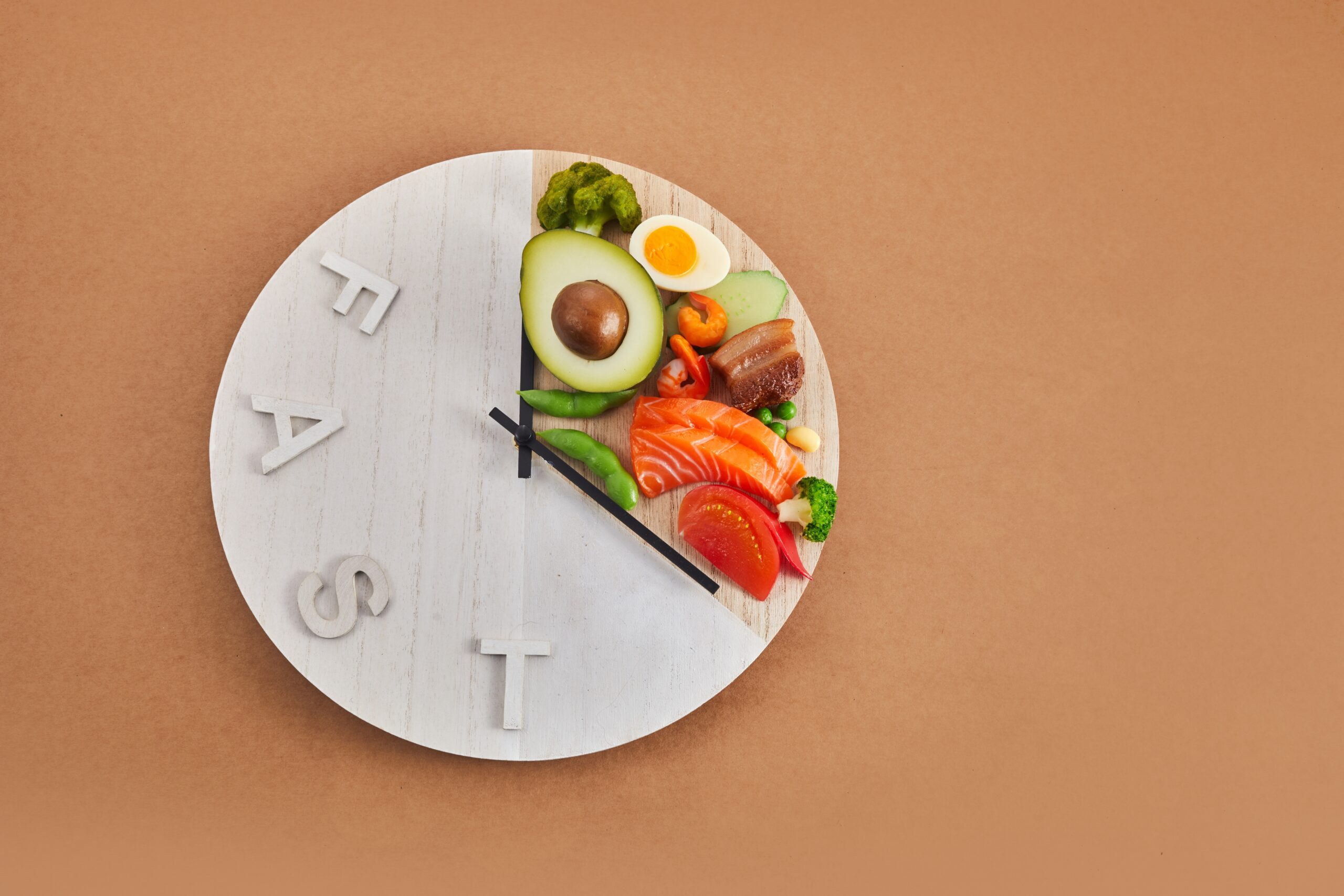
Intermittent fasting (IF) involves cycling between periods of eating and fasting, with common methods like the 16:8 (fasting for 16 hours and eating in an 8-hour window). Advocates claim it improves metabolism, enhances brain function, and extends lifespan by triggering autophagy (cellular cleanup). Some studies suggest it may also lower insulin levels and reduce inflammation.
Scientific evidence supports many of the claims surrounding intermittent fasting, particularly for weight management and metabolic health. It can help regulate blood sugar, improve insulin sensitivity, and promote fat loss without extreme dieting. According to PMC, IF can reduce body weight and improve various health markers, but its effectiveness depends on the individual. While IF is a powerful wellness hack, it’s not a one-size-fits-all approach and should be tailored to individual needs.
4. Breathwork – Can It Reduce Stress And Boost Energy?

Breathwork techniques, such as box breathing or the Wim Hof method, focus on controlled breathing to calm the nervous system and enhance oxygen intake. Supporters claim it reduces anxiety, improves lung capacity, and even enhances immune function.
Research shows that breathwork can effectively lower cortisol levels, reduce stress, and improve focus. Certain techniques, like deep diaphragmatic breathing, activate the parasympathetic nervous system, promoting relaxation and better oxygen flow. According to Othership, breathwork can reduce stress and anxiety by grounding the user in the present moment. However, while breathwork can improve mood and stress resilience, it won’t replace the benefits of regular exercise or medical treatments for chronic conditions. It’s a useful tool for relaxation, but its effects are limited if not combined with other healthy lifestyle habits.
5. Grounding (Earthing) – Can Walking Barefoot Improve Overall Health?

There is some evidence suggesting that grounding, or connecting directly with the Earth’s surface, can help reduce cortisol levels, which in turn may promote relaxation and improve sleep quality. Studies have shown that spending time grounded outdoors, such as walking barefoot on grass or soil, can have a calming effect on the nervous system, potentially reducing stress and encouraging a more restful sleep. Additionally, some research indicates that grounding may have mild anti-inflammatory effects, which could benefit overall health. However, the scientific community remains divided on the extent of these benefits, and the evidence is still evolving.
While grounding can provide stress relief and mindfulness benefits, it is unlikely to produce dramatic health improvements on its own. Walking barefoot in nature can certainly be a therapeutic activity that contributes to mental well-being, but it should not be viewed as a substitute for medical treatments or a balanced lifestyle. The most effective approach to health involves a combination of regular physical activity, a nutritious diet, sufficient sleep, and proper medical care when needed. Grounding can complement these practices, but it should not be relied upon as the sole method of achieving overall health and wellness.
6. Cryotherapy – Is Freezing Your Face & Body Worth It?

Cryotherapy involves exposing the body to extremely low temperatures (-200°F) for a few minutes to reduce inflammation and improve recovery. Athletes often use it for pain relief, and some claim it boosts metabolism, enhances mood, and tightens skin.
Research suggests that cryotherapy can temporarily reduce muscle soreness and inflammation, similar to cold plunging. It may also increase endorphin levels, providing a temporary mood boost. However, its long-term effects on metabolism and overall health are less clear. While cryotherapy can be an effective recovery tool, the results may not be significant enough to justify the high cost of everyday use.
7. Adaptogens – Do Herbal Supplements Reduce Stress?

Adaptogens, like ashwagandha and Rhodiola, are herbal supplements believed to help the body adapt to stress and regulate cortisol levels. Many claim they improve focus, balance hormones, and enhance energy without the crash of caffeine.
Studies support some benefits of adaptogens, particularly ashwagandha, which has been shown to lower cortisol and reduce anxiety. Rhodiola may improve endurance and mental clarity, especially under stress. However, adaptogens work subtly over time and are not a quick fix for chronic stress or burnout. They can be helpful but should be used as part of a holistic approach to wellness rather than a standalone solution.
8. Hydrogen Water – Is It Superior To Regular Water?
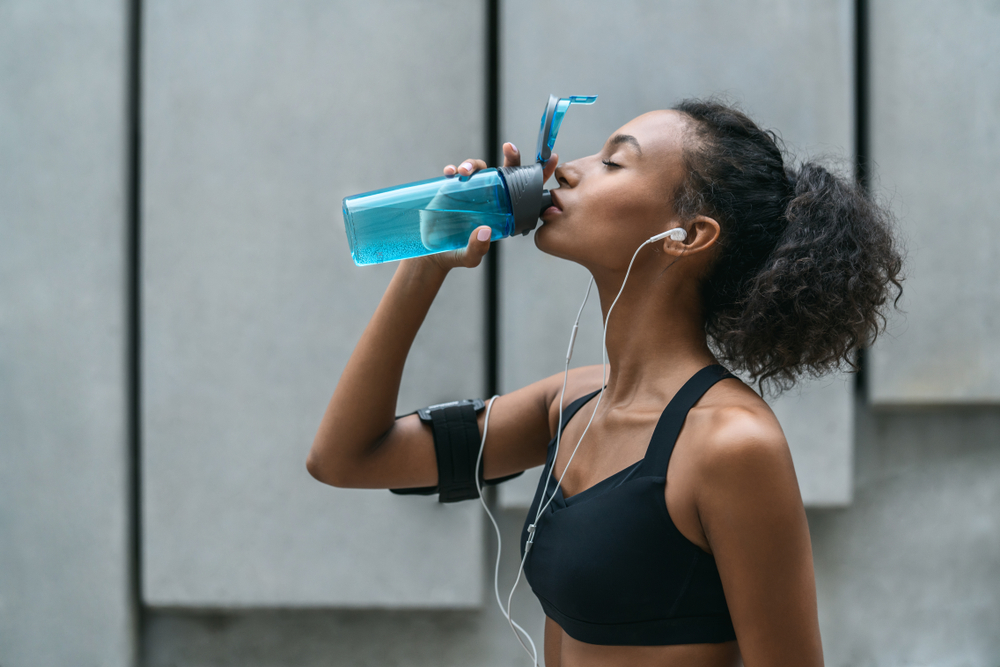
While early research into hydrogen water is promising, most studies conducted so far are small and have yielded inconclusive results. Some advocates claim that hydrogen-infused water can provide additional health benefits, such as improved antioxidant levels and enhanced energy, but these claims have not been universally substantiated. The limited scope of these studies means that it is difficult to determine whether hydrogen water truly offers distinct advantages over regular water. Until more extensive research is conducted, the benefits of hydrogen water remain uncertain for the general population.
Hydration is undeniably essential for overall health, and drinking regular filtered water provides the same fundamental benefits for most people. Water helps to maintain bodily functions, regulate temperature, and support organ health, making it the most important beverage for staying hydrated. Unless further studies demonstrate a significant advantage of hydrogen water over conventional water, it seems more likely that the hype surrounding hydrogen-infused water is just another wellness trend rather than a breakthrough in health science. For now, sticking to regular water remains a reliable and cost-effective way to stay hydrated.
9. Blue Light Blocking Glasses – Do They Improve Sleep?

Blue light from screens disrupts melatonin production, potentially interfering with sleep. Blue light-blocking glasses claim to filter out harmful wavelengths, promote better sleep, and reduce eye strain.
Research confirms that exposure to blue light at night can disrupt sleep, and blue light-blocking glasses can help mitigate these effects. Wearing them a few hours before bedtime may improve sleep quality, especially for those who spend a lot of time on screens. However, reducing screen time in the evening and using warm lighting may be just as effective without needing special glasses.
10. Collagen Supplements –Do They Elevate Skin And Joint Health?
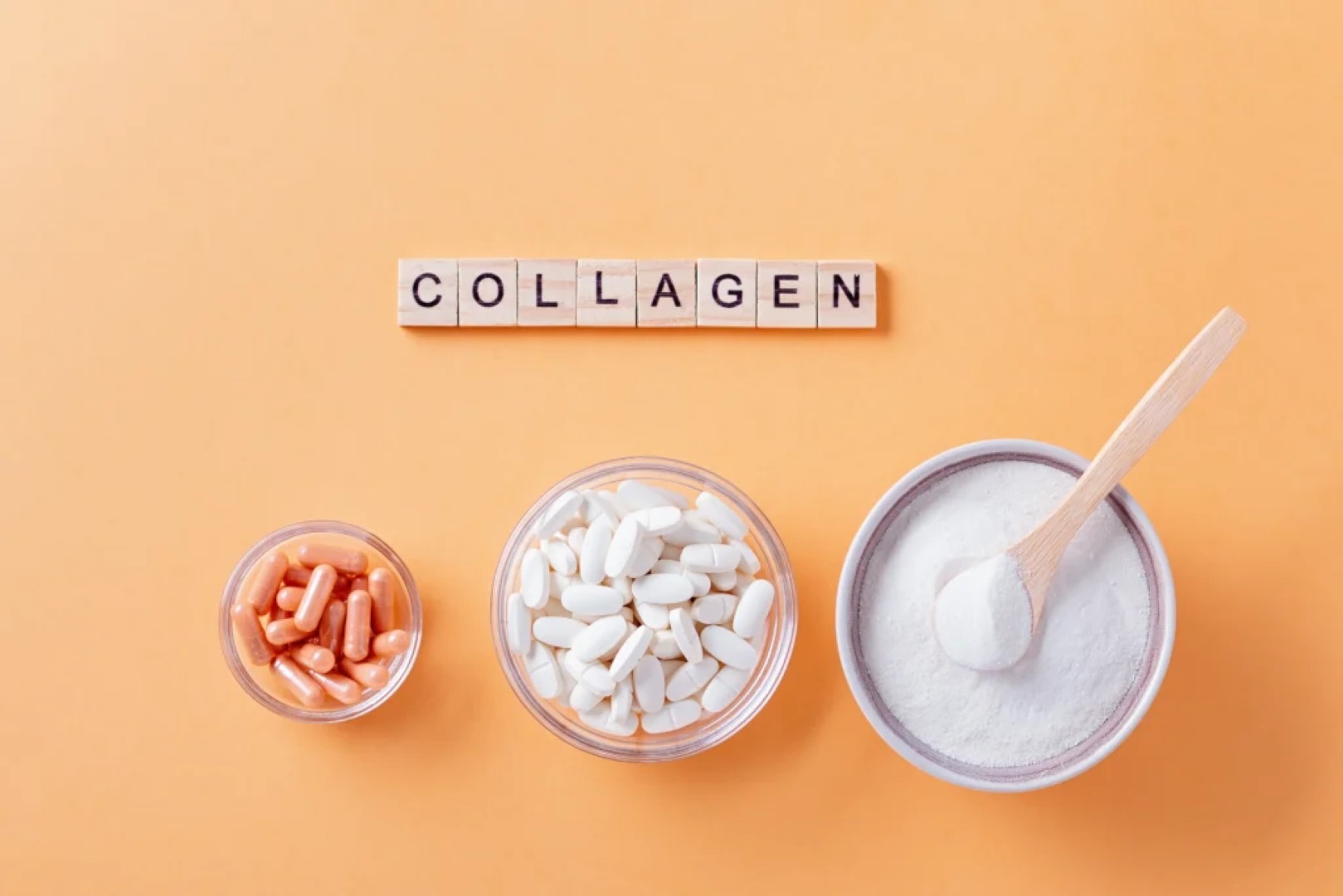
Studies suggest that hydrolyzed collagen peptides can improve skin hydration and elasticity, as well as support joint function by strengthening the cartilage. Regular supplementation with collagen may lead to smoother, more youthful-looking skin, and it can help maintain the integrity of joints, particularly as individuals age. However, the results of collagen supplementation can vary depending on factors such as individual health conditions, genetics, and lifestyle. In some cases, collagen may not produce dramatic effects unless accompanied by a well-rounded diet and healthy habits.
While collagen supplements can provide benefits, they are not a one-stop solution for reversing the effects of aging. To optimize the effectiveness of collagen, it works best when paired with a diet rich in essential nutrients such as vitamin C and protein, which are crucial for collagen synthesis. Additionally, whole food sources like bone broth, which contain naturally occurring collagen, can also support skin and joint health without the need for supplementation. Therefore, focusing on a balanced diet that includes these natural sources of collagen may offer similar or even greater benefits compared to relying solely on supplements.

Abisola is a communication specialist with a background in language studies and project management. She believes in the power of words to effectively connect with her audience and address their needs. With her strong foundation in both language and project management, she crafts messages that are not only clear and engaging but also aligned with strategic goals. Whether through content creation, storytelling, or communication planning, Abisola uses her expertise to ensure that her messages resonate and deliver lasting value to her audience.