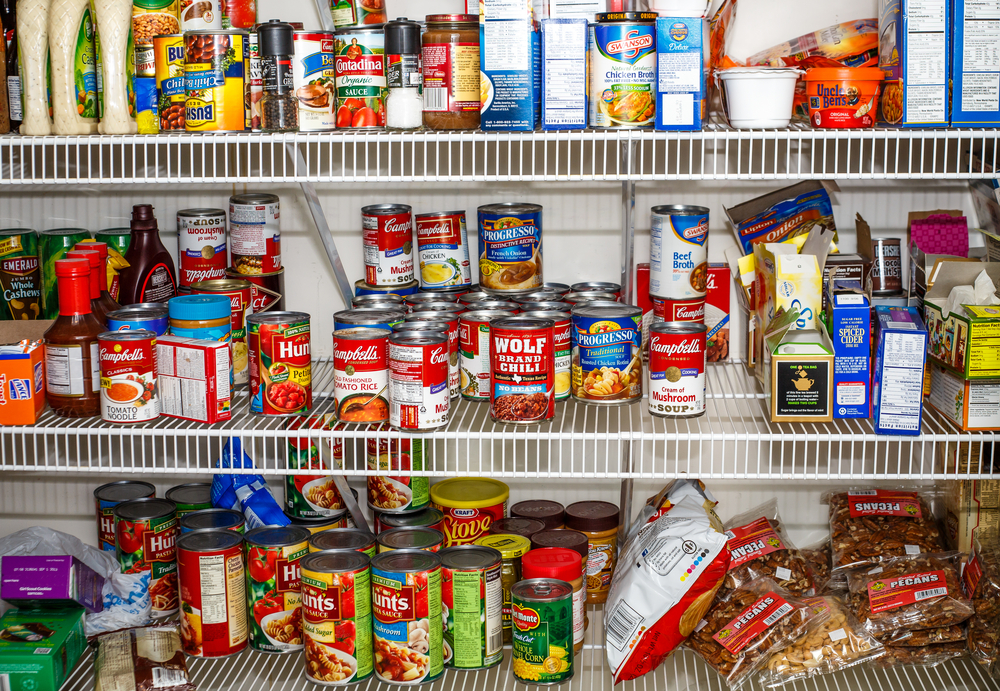
If you’ve ever traveled abroad and felt better—lighter, less bloated, more clear-headed—you’re not imagining things. American food isn’t just overly processed or packed with sugar. It’s a product of systemic dysfunction, corporate greed, and policies that quietly prioritize profit over public health.
These 13 facts pull back the curtain on how the U.S. food system is making people sick—and why no one’s rushing to fix it.
1. Ingredients Banned Elsewhere Are Still Legal Here
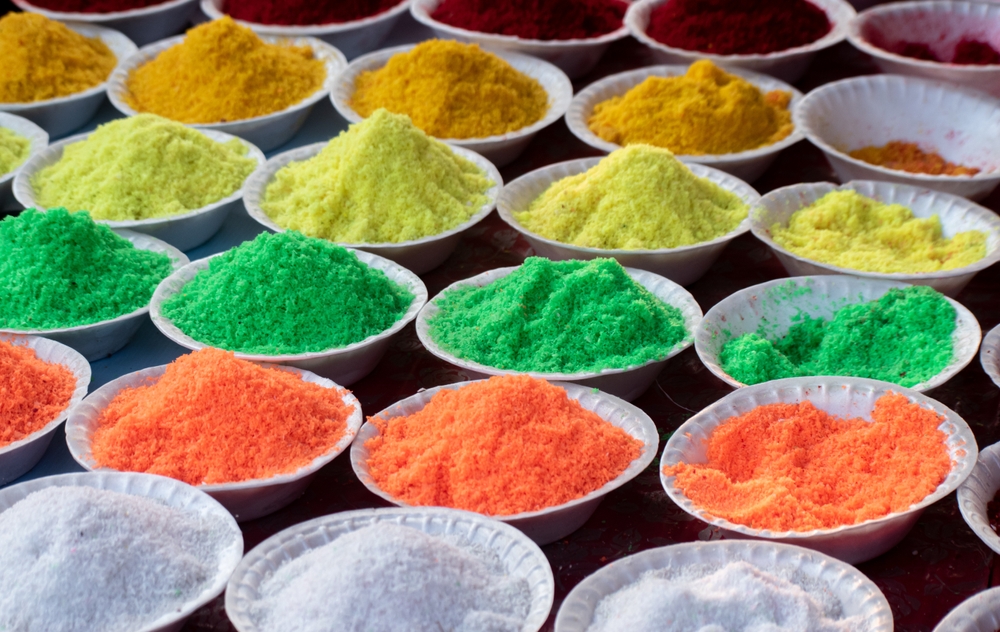
Many additives, dyes, and chemicals banned in Europe, the UK, and even China are still widely used in the U.S. This includes things like brominated vegetable oil, potassium bromate, and titanium dioxide, linked to thyroid disruption, behavioral issues, and even cancer.
Research by Time magazine explains that many food additives banned in Europe, such as titanium dioxide, potassium bromate, and brominated vegetable oil, remain legal in the U.S. because the FDA requires more extensive evidence of harm before banning substances, unlike the European Food Safety Authority’s precautionary approach.
2. Ultra-Processed Foods Make Up Over Half The American Diet

A recent study in BMJ Open found that nearly 60% of calories in the average American diet come from ultra-processed foods—loaded with synthetic preservatives, emulsifiers, refined sugars, and artificial flavors.
These foods are engineered to override natural satiety cues. They’re addictive by design, contributing to rising rates of obesity, heart disease, and metabolic disorders.
3. The FDA Doesn’t Test Most Chemicals Added To Food
More than 99% of food chemicals introduced since 2000 were approved by the food industry itself, not through independent government review. As noted by the Environmental Defense Fund, a loophole called “GRAS” (Generally Recognized As Safe) allows companies to self-certify their additives without notifying the FDA or the public.
This means your cereal, snacks, or drinks may contain substances never rigorously tested for long-term health effects.
4. American Portions Are Inhumane By Global Standards
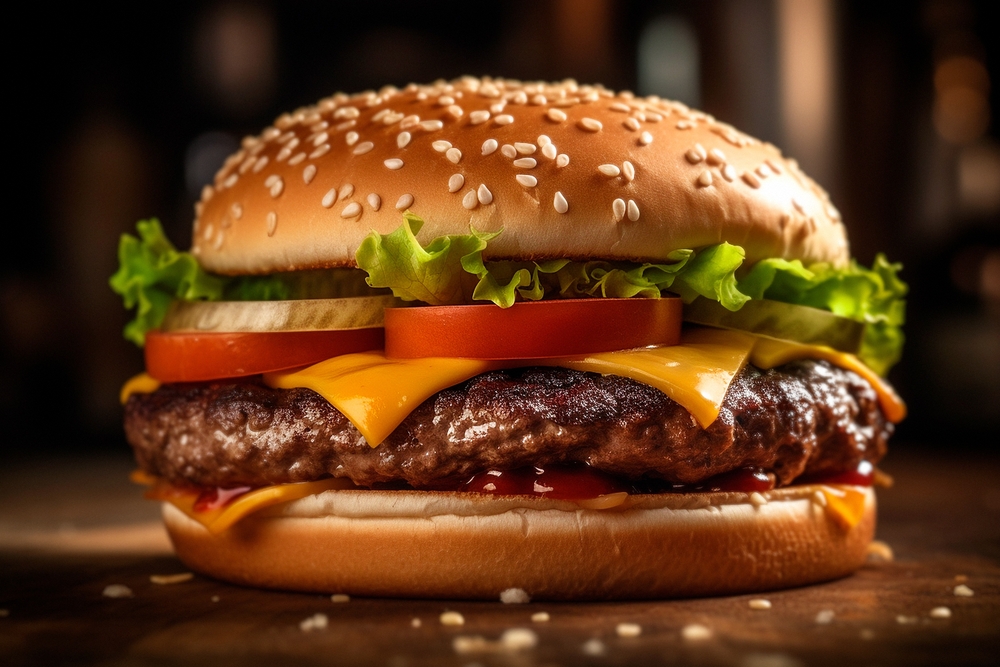
What Americans consider a “medium” soda or burger would be labeled extra-large in most other countries. A Study by Frontiers in Nutrition provides a comprehensive global analysis of portion size recommendations across 96 countries, revealing significant variations in portion sizes and highlighting how North America, including the U.S., tends to have larger recommended portions compared to many other regions.
It’s not just about calories—it’s about how we normalize excess. Oversized portions teach bodies to ignore hunger cues, disrupt insulin sensitivity, and create food addiction cycles.
5. Big Food Corporations Influence “Health” Education

Major food companies like Nestlé, Coca-Cola, and General Mills fund nutrition research, sponsor medical conferences, and partner with universities. As highlighted in The Washington Post, this creates biased science that downplays harm or overhypes the benefits of processed food products.
As highlighted by the PLOS One journal, food corporations exploit nutrition science to defend, promote, and regulate their ultra-processed products. This exploitation involves funding research designed to produce favorable evidence, sponsoring seminars, engaging in policy committees, and funding front groups. These strategies shape public understanding of food and nutrition, often diverting attention from the detrimental effects of ultra-processed foods.
6. Subsidies Make Junk Food Cheaper Than Real Food
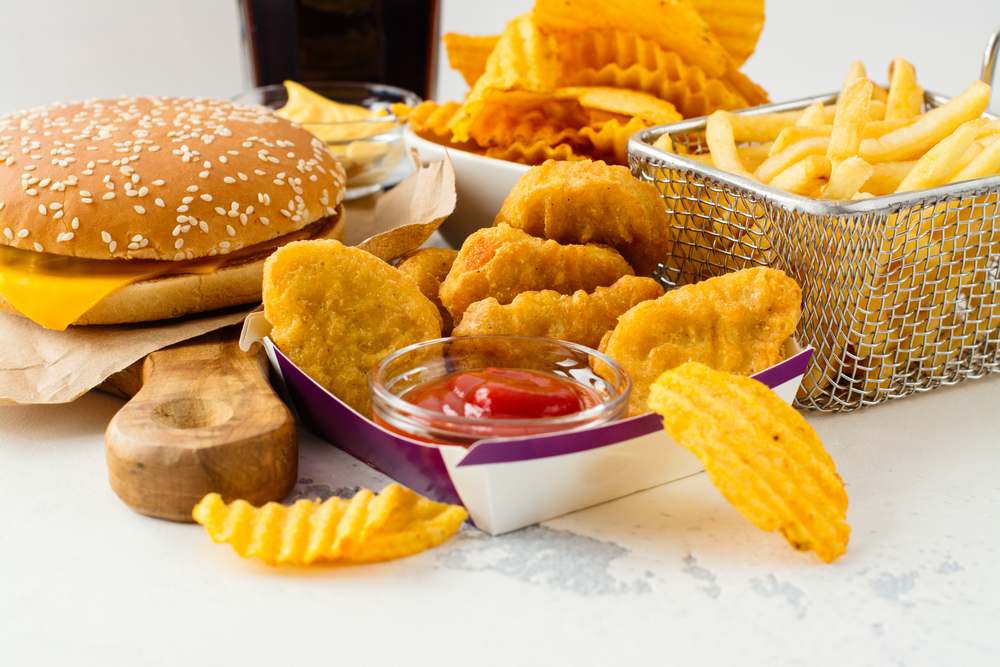
Government subsidies favor corn, soy, and wheat—the building blocks of most processed junk food. Meanwhile, fresh produce receives a fraction of that support.
This artificially deflates the price of sodas, chips, and fast food, making them more accessible than fruits, vegetables, or organic meats, especially in low-income areas.
7. Sugar Is In Absolutely Everything

Sugar hides in 74% of packaged foods in American grocery stores—including salad dressings, pasta sauces, breads, and yogurt. According to a study published in BMJ Open, about 74% of packaged foods in the US contain added sugars, which are found not only in obvious sources like soft drinks and desserts but also in breads and breakfast cereals.
It’s not just about sweetness—it’s metabolic sabotage. Chronic sugar overload increases the risk of Type 2 diabetes, liver disease, and cognitive decline.
8. Factory Farming Is Creating Drug-Resistant Superbugs
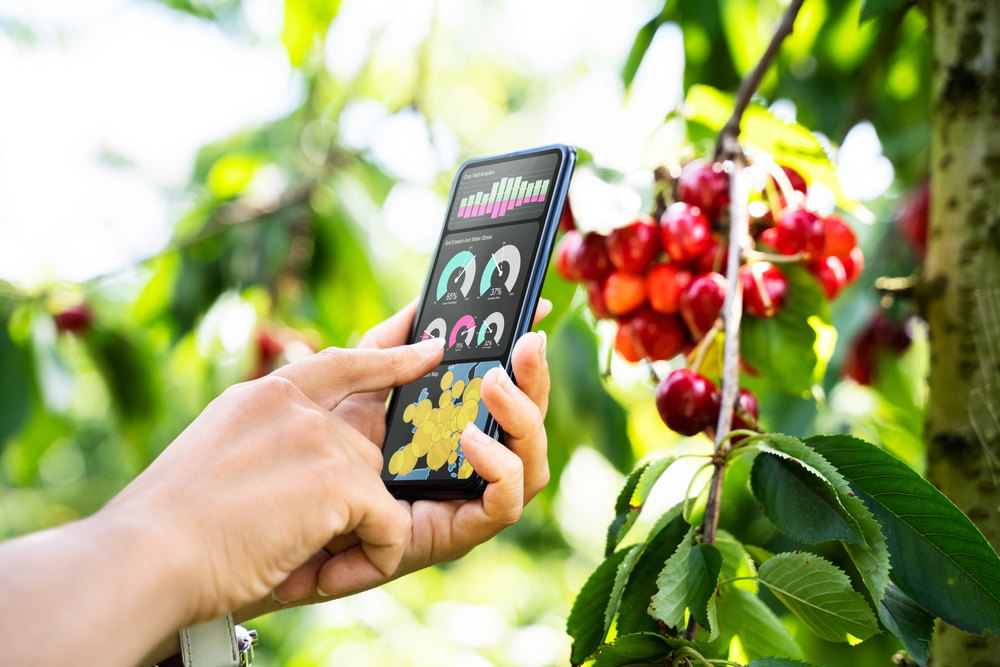
More than 70% of antibiotics sold in the U.S. are used in livestock, not people. Animals are routinely dosed to speed up growth and prevent illness in crowded, unsanitary conditions.
This overuse fuels antibiotic resistance, making once-treatable infections harder to cure in humans. It’s a public health time bomb that few are talking about.
9. Artificial Sweeteners Aren’t Safe Substitutes
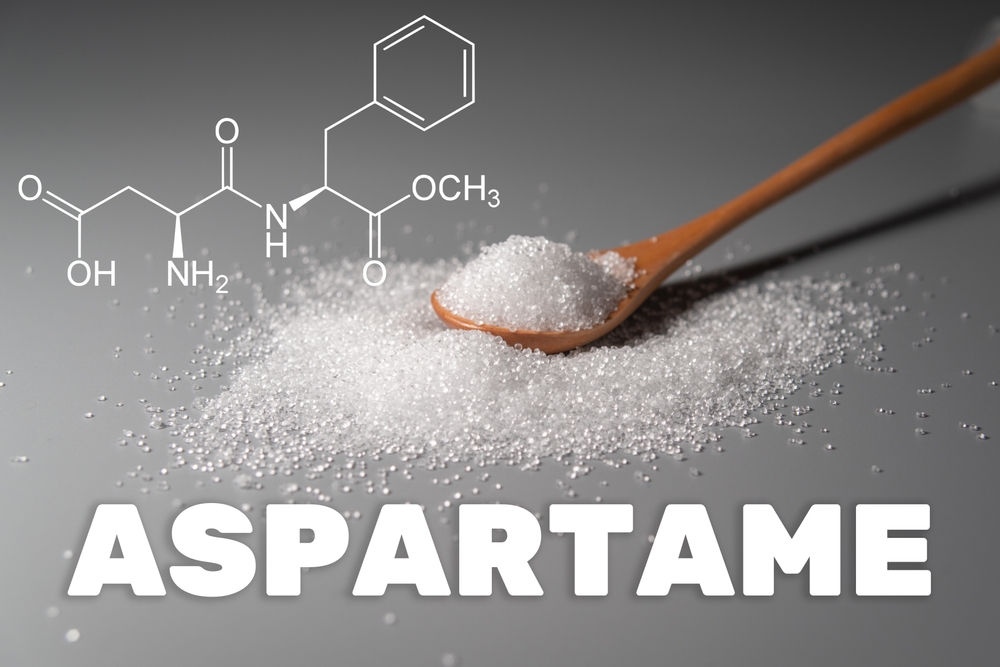
Many “diet” products contain artificial sweeteners like aspartame or sucralose, which may disrupt gut microbiota and increase insulin resistance. Recent research in Nature suggests these sweeteners may be contributing to the very issues they’re marketed to prevent.
So “sugar-free” doesn’t mean harmless. These chemicals can still confuse the body’s metabolic pathways, and long-term studies are still ongoing.
10. Highly Addictive Food Is Marketed Like A Drug
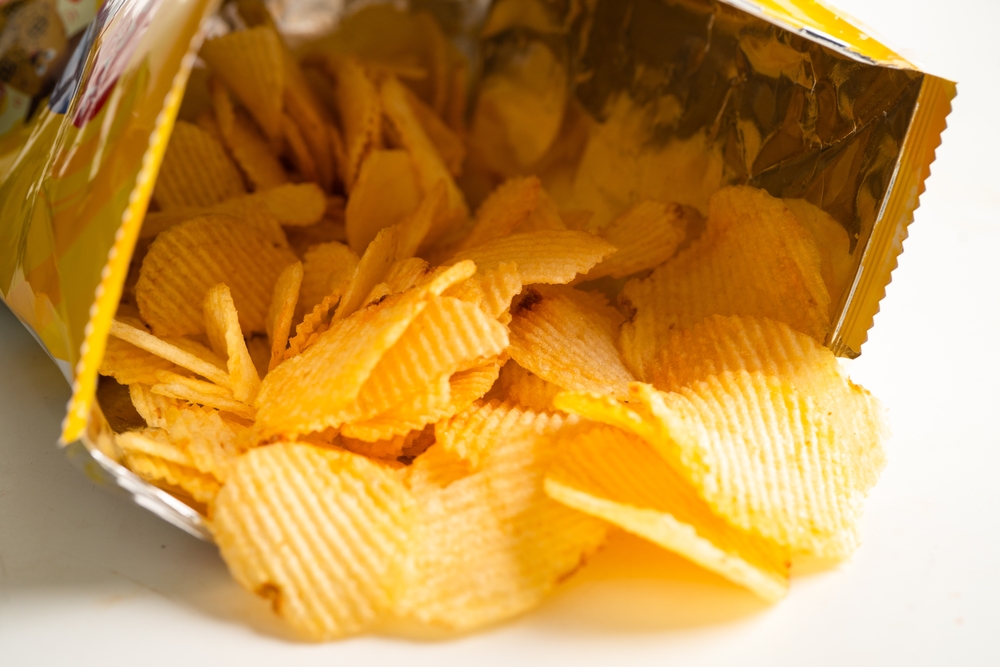
Food manufacturers use neuroscience to develop products that light up the brain’s reward centers—what’s often called the “bliss point.” This makes it nearly impossible to eat “just one” chip or cookie.
This isn’t a lack of willpower—it’s addiction. Americans are being targeted with foods designed to hijack appetite, mood, and dopamine responses.
11. Toxic Packaging May Be Contaminating Your Meal

Many to-go containers, frozen food wrappers, and fast food packaging are lined with PFAS—also known as “forever chemicals.” These substances are linked to cancer, hormone disruption, and immune dysfunction.
They leach into food, especially when heated, and build up in the body over time. And they’re shockingly under-regulated in the U.S.
12. “Natural” Labels Are Often Pure Marketing
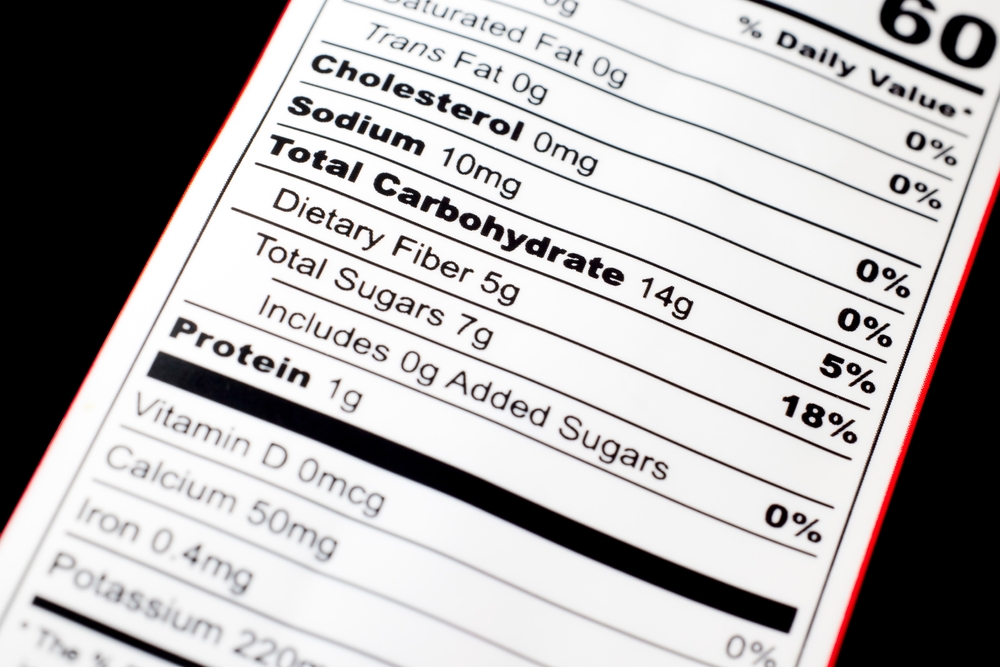
The word “natural” on food packaging is virtually meaningless in the U.S. It’s not regulated and can still apply to products with artificial ingredients, GMOs, or industrial processing.
This creates a false sense of security for health-conscious shoppers. Clean-sounding packaging often masks ultra-processed, chemically altered food.
13. American Food Culture Is About Convenience, Not Nutrition
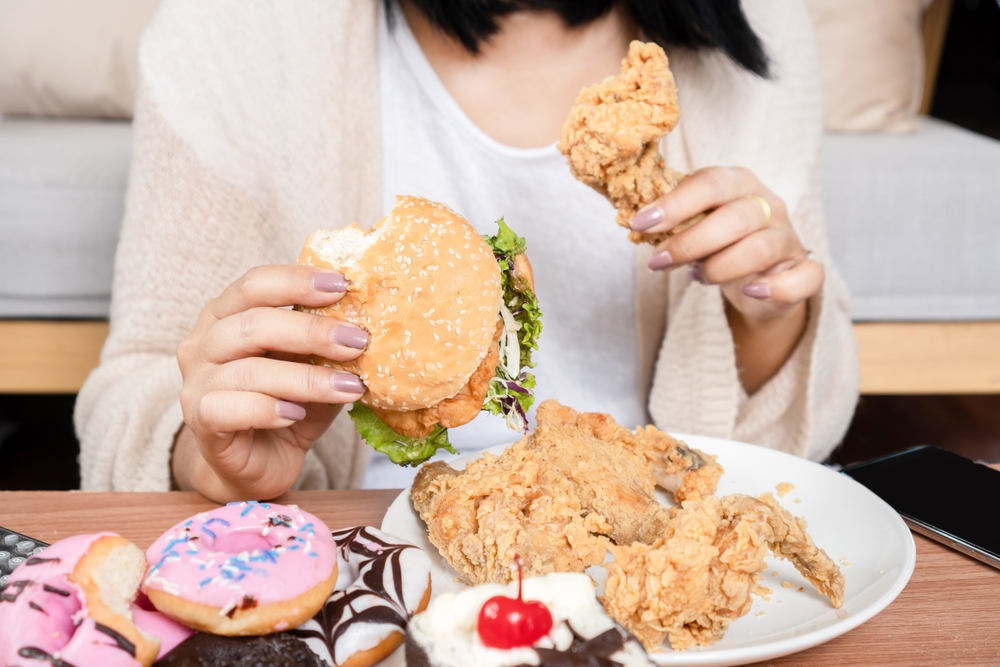
Fast food, grab-and-go meals, and snacking are staples of modern life. But convenience comes at a steep cost. This culture discourages mindful eating, shared meals, and home cooking—all linked to better long-term health.
In countries with longer life expectancy, food is slow, local, and social. In America, it’s rushed, industrial, and isolating.

Abisola is a communication specialist with a background in language studies and project management. She believes in the power of words to effectively connect with her audience and address their needs. With her strong foundation in both language and project management, she crafts messages that are not only clear and engaging but also aligned with strategic goals. Whether through content creation, storytelling, or communication planning, Abisola uses her expertise to ensure that her messages resonate and deliver lasting value to her audience.