
Some compliments don’t land the way you think they do. They might sound polite, generous, or even flattering on the surface, but underneath, they drip with condescension, passive aggression, or performative energy. These are the compliments people give when they’re trying too hard to seem supportive or mask their own insecurities. You’ve likely given or received a few of them without realizing how off they felt. Here’s a breakdown of 15 “nice” compliments that often sound more fake than flattering—and why everyone notices.
1. “You Seem So Chill.”

This is often less about praising you and more about someone reassuring themselves that you won’t call them out. It implies that you’ll tolerate bad behavior, keep your mouth shut, or smooth things over when others misbehave. It can also signal that someone sees you as emotionally disconnected or disengaged, not grounded or wise. It’s not about peace—it’s about passivity.
Real praise acknowledges your presence, your boundaries, and your emotional intelligence. If someone’s praising your calm because they think it benefits them, it’s not actually about you. You’re not “chill” because you lack needs—you’re calm because you’ve done the work. Don’t let fake compliments rewrite your narrative.
2. “Wow, You Look Good Today.”

This one feels like a slap with a smile. It instantly makes you wonder what you usually look like—and what they really think of you. Framing a compliment around the idea that today is the exception only reinforces that your usual appearance is unimpressive. It’s not uplifting; it’s subtly cutting.
Genuine compliments don’t hinge on comparison to your worst days. When someone says this, they’re often trying to appear charmingly blunt, but it ends up highlighting their own insecurity more than your beauty. The word “actually” is the giveaway—if they respected your look regularly, there’d be no need for the qualifier. Kindness doesn’t require surprise.
3. “Good For You, I Could Never Do That.”

It’s meant to sound supportive, but it often comes off as performative and quietly judgmental. Whether you’re going makeup-free, switching careers, or traveling solo, this phrase creates distance rather than connection. It frames your decision as strange or extreme—something outside the realm of normal behavior. It’s less of a compliment and more of a polite recoil.
“Good for you” can carry a lot of side-eye if the tone is off. It often signals disapproval disguised as open-mindedness. If someone really respects your decision, they’ll engage with it, not just shrug it off with a passive remark. It’s the emotional equivalent of clapping politely at something you don’t understand.
4. “You’re So Real.”

This can sound like praise, especially in a culture obsessed with authenticity. But too often, it’s code for “You say things that make me uncomfortable, and I don’t know how to respond.” Calling someone “real” tends to spotlight their emotional vulnerability in a way that feels more like voyeurism than admiration. It implies they’re entertaining because they’re raw—not necessarily respected.
Being “real” shouldn’t feel like a spectacle. If someone’s honesty is only valued because it’s shocking or makes others feel better about themselves, it’s not really a compliment. The best form of respect is listening, not labeling. Being told you’re “real” should feel grounding, not like a punchline.
5. “You’re Not Like Other Women.”

This one is so played out that it practically echoes with insecurity. It’s framed as flattery but rooted in misogyny, implying that most women are somehow less desirable, less intelligent, or less worthy. If you’re being praised for your difference, ask yourself: Who exactly are you being compared to? And why is that comparison necessary?
Compliments that isolate you from your own gender or group rarely feel good for long. It puts you on a pedestal just to separate you from others, not because you’re genuinely seen. The subtext is clear: “I like you because you don’t remind me of the people I usually don’t like.” That’s not admiration—it’s manipulation.
6. “You’re So Independent.”

This can feel empowering at first—until you realize it’s often laced with skepticism or judgment. The compliment sometimes sounds more like: Isn’t your life kind of sad? Especially when directed at single people, childfree people, or women with high-powered careers, it can mask discomfort with lifestyles that don’t follow tradition. It may come with a tinge of pity rather than respect.
Truly appreciating someone’s independence means recognizing their choices without romanticizing their resilience or turning it into a sob story. It shouldn’t sound like a eulogy for a life that doesn’t mirror your own. If it makes someone feel more “other” than empowered, the compliment missed the mark. Admire without overdramatizing.
7. “You’re Too Pretty To Be Single.”

At best, this is lazy. At worst, it reinforces the idea that looks determine love—and that being partnered is the ultimate goal. It turns your beauty into a mystery, a puzzle that must have something “wrong” with it. And it assumes that attractiveness guarantees a relationship, which is reductive and out of touch.
This kind of compliment implies your relationship status needs explaining or fixing. It rarely uplifts; instead, it adds pressure and confusion. Beauty doesn’t exempt anyone from heartbreak, bad luck, or choice. Compliments should affirm a person’s present, not pathologize their current situation.
8. “You’re Doing The Best You Can.”

This one walks a fine line between comfort and condescension. Depending on tone, it can sound like a pat on the head instead of a meaningful affirmation. It often implies that expectations have been lowered for you—that you’re not succeeding, but we’ll pretend it’s okay. It’s the kind of compliment people give when they’ve emotionally checked out.
When spoken genuinely, this phrase can be supportive and grounding. But when offered dismissively, it feels like a consolation prize. If someone says this to you and it doesn’t lift you up, you’re not imagining it. Praise without depth rings hollow every time.
9. “You’re Always So Put Together.”

It sounds flattering, but often implies that being “put together” is abnormal, robotic, or performative. Sometimes it even carries a note of resentment, like you must be sacrificing something essential to appear so composed. People use this line to create distance rather than closeness. It’s a subtle way of calling you intimidating without admitting it.
Real respect celebrates someone’s strength without needing to diminish your own. This compliment often says more about the speaker’s insecurities than your actual lifestyle. If it sounds like admiration coated in self-deprecation, it’s not a real compliment. It’s a comparison disguised as praise.
10. “You’re Doing Great For Your Age.”

Why is your age relevant in the first place? This phrase assumes that certain achievements or appearances are only impressive when you’re older—and by implication, that you’re expected to have declined. It reduces your success to a function of surprise, not effort or talent. If someone feels the need to qualify your value by your age, the praise is conditional.
Compliments that hinge on age often carry more insult than inspiration. They reveal the speaker’s biases more than your brilliance. If you wouldn’t say it to a younger person, don’t say it at all. Excellence isn’t defined by the year you were born.
11. “I Love How You Don’t Care What Anyone Thinks.”

This can sound empowering, but often it comes with a side-eye. It suggests your choices are bold, strange, or controversial—and that others definitely are talking. Instead of celebrating freedom, it can highlight how out of step you are with social expectations. It frames confidence as defiance rather than grounded self-assurance.
People who genuinely love your authenticity won’t make it sound like rebellion. They’ll treat it as normal, admirable, and worthy, not something shocking or provocative. This compliment often reveals that someone’s tolerance is conditional. They admire you, but only because they wouldn’t dare do the same.
12. “You’re Way Smarter Than You Look.”

This one should be offensive, but too often, people laugh it off. It implies that your appearance is working against you—that you’ve “overcome” hotness or femininity to possess intelligence. It’s shallow, objectifying, and deeply insulting at its core. Your intellect isn’t a surprise, and it certainly doesn’t need a disclaimer.
This is the kind of compliment that reflects deep internalized bias, especially toward women. It makes it clear that they didn’t expect you to have range. Smart people don’t need to be told they’re unexpected—they need to be taken seriously. If a compliment starts by doubting you, it’s not worth hearing.
13. “Your Fashion Sense Is So Brave.”
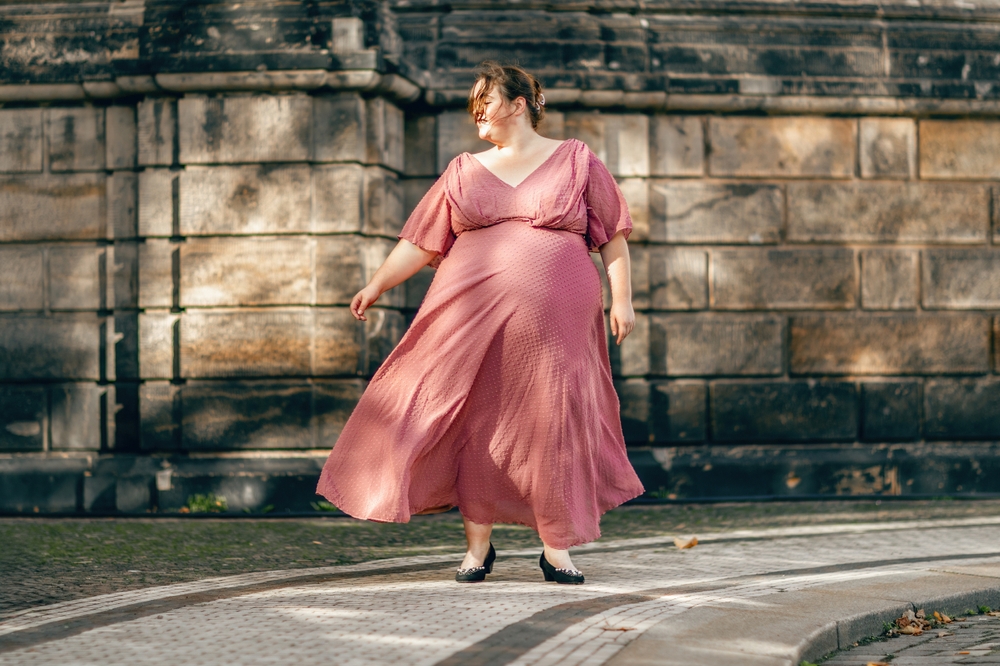
This sounds like praise, but the subtext is brutal: I would never wear that, and you probably shouldn’t have either. It implies that your clothing choice is risky, borderline embarrassing, or wildly inappropriate for your body type or age. Instead of admiration, it reeks of judgment wrapped in a backhanded bow. It’s the kind of compliment people give when they want to distance themselves from your confidence while pretending they support it.
People who say this often think they’re being edgy or honest, but what they’re really doing is projecting discomfort. When someone is actually brave for expressing their style, they don’t need you to announce it—they need you to normalize it. True compliments highlight someone’s confidence without needing to frame it as a shocking act of courage. If it feels like a dig disguised as praise, it probably is.

Natasha is a seasoned lifestyle journalist and editor based in New York City. Originally from Sydney, during a stellar two-decade career, she has reported on the latest lifestyle news and trends for major media brands including Elle and Grazia.