
When you crawl into bed and drift off to dreamland, your body takes on a life of its own. While your conscious mind rests, your body is hard at work, doing some fascinating—albeit slightly unsettling—things. From the outside, you might look peaceful, but there’s a whole host of activities going on beneath the surface. These nighttime quirks might seem creepy at first glance, but they’re simply your body’s way of keeping things running smoothly. So, as you settle in for the night, here’s a closer look at some of the unusual activities your body engages in while you sleep.
1. Your Brain Cleanses Itself

When you’re asleep, your brain is busy taking out the waste. This process, known as the glymphatic system, helps remove toxins that accumulate during the day. According to Dr. Maiken Nedergaard, a neuroscientist at the University of Rochester, this system becomes significantly more active during sleep, clearing away harmful proteins that could eventually contribute to brain diseases like Alzheimer’s. Essentially, your brain’s nightly cleaning regimen ensures that you wake up feeling refreshed and ready for a new day. It’s a bit eerie to think of your brain as a self-cleaning organ, but it turns out that’s exactly what it’s doing while you catch those Z’s.
Moreover, this cleansing mechanism underscores the importance of getting a good night’s sleep. Skimping on sleep might mean your brain doesn’t have enough time to fully clean, which could impair cognitive function over time. This is why sleep deprivation often leaves people feeling foggy and forgetful. Your brain needs this downtime to sort, clean, and prepare for another day of processing information. So, the next time you’re tempted to stay up late, remember that your brain’s health depends on those precious hours of rest.
2. Your Body Paralyzes Itself

One of the most bizarre things your body does at night is paralyzing itself during certain sleep stages. This paralysis occurs during REM (Rapid Eye Movement) sleep, the stage when most dreaming happens. The purpose of this temporary paralysis is to prevent you from acting out your dreams, which could potentially be harmful. Imagine dreaming about running a marathon and inadvertently sprinting around your bedroom. This protective mechanism is your body’s way of ensuring safety while your mind explores dreamscapes.
However, sometimes this system doesn’t work as perfectly as it should, leading to phenomena like sleepwalking or sleep paralysis. Sleep paralysis occurs when your mind wakes up while your body is still in REM paralysis, leaving you temporarily unable to move. It can be a terrifying experience, often accompanied by vivid hallucinations. Sleep specialists suggest maintaining a regular sleep schedule to help mitigate these occurrences. While it sounds like something out of a sci-fi movie, this nightly paralysis is just your body’s way of keeping you safe.
3. Your Body Temperature Drops
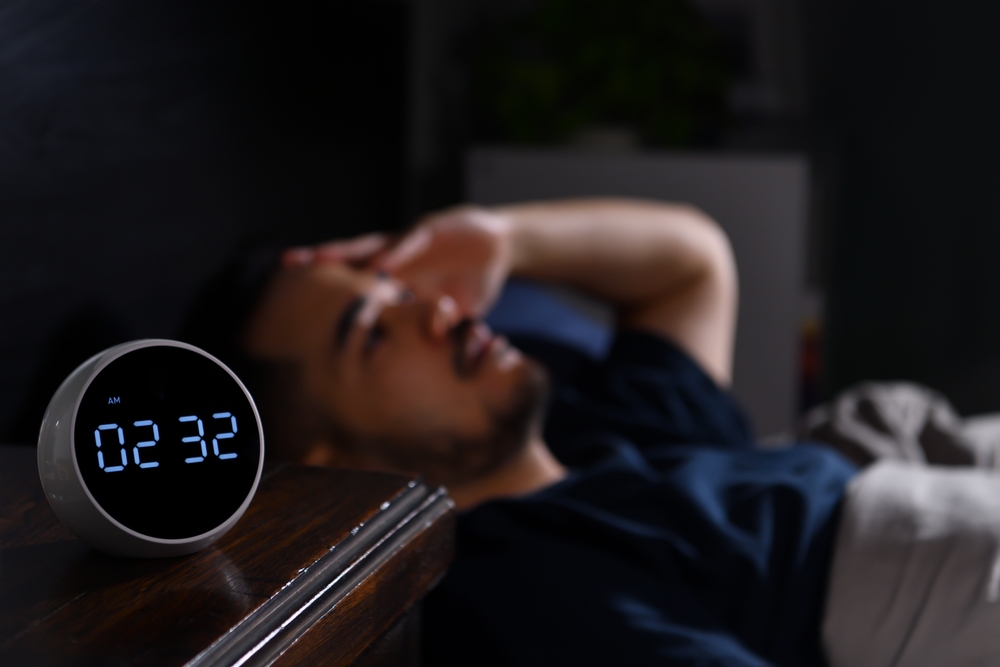
As you drift into slumber, your body temperature gradually decreases. This drop in temperature is a signal to your body that it’s time to rest. Dr. Matthew Walker, a sleep scientist at UC Berkeley, notes that this cooling process is crucial for initiating and maintaining deep sleep. Lowering your body temperature by even a degree can improve sleep quality, which is why some people find a cooler room more conducive to restful sleep. The cooler temperature isn’t just about comfort; it’s part of a complex system designed to optimize the restorative powers of sleep.
This nightly cooling down helps regulate your circadian rhythm, the internal clock that manages your sleep-wake cycle. Your body’s internal thermostat begins to drop around the time you start to feel sleepy, making you feel more drowsy and ready for bed. In contrast, a too-warm room can disrupt sleep, as your body struggles to reach the ideal temperature for rest. So, adjusting your bedroom environment might be key to enhancing your sleep quality. Embrace the chill, and let your body do what it does best—rest and recover.
4. You Experience Micro-Arousals

During sleep, your body goes through numerous micro-arousals, brief moments of waking that you likely won’t remember in the morning. These arousals are actually a normal part of the sleep cycle and occur during transitions between the different stages of sleep. They serve as a built-in safety mechanism, allowing your body to briefly check the environment for threats. Although you might not be aware of these mini wake-up calls, they ensure that you’re not in danger while you sleep. Your brain is vigilant, even when you’re not, ready to alert you at the slightest disturbance.
Interestingly, these micro-arousals can play a role in sleep disorders if they happen too frequently. Conditions like sleep apnea, where breathing repeatedly stops and starts during sleep, can cause numerous arousals that fragment sleep. This leads to poor sleep quality and excessive daytime tiredness. If you find yourself consistently tired despite getting enough sleep, it might be worth investigating whether these micro-arousals are to blame. Your body’s effort to keep you safe might sometimes need a bit of fine-tuning to ensure restful slumber.
5. Your Heart Rate Slows Down

As you fall into a deep sleep, your heart rate slows down significantly. This decrease is part of the relaxation process that accompanies restful sleep, allowing your heart and circulatory system to recover from the day’s work. According to a study published in the Journal of Clinical Sleep Medicine, this slower heart rate during sleep can help improve cardiovascular health and reduce stress. It’s your body’s way of hitting the reset button, giving your heart the break it needs to keep functioning optimally. While it might seem unsettling to think of your heart slowing down, it’s actually a sign of your body taking care of itself.
This heart rate reduction is part of the parasympathetic nervous system’s activity, often referred to as the “rest and digest” state. During this time, your body focuses on repair and rejuvenation, conserving energy for the next day’s activities. It’s a reminder of how interconnected our bodily systems are and how crucial sleep is for overall health. A good night’s rest isn’t just about waking up refreshed; it’s about maintaining the intricate balance that keeps your heart, and the rest of your body, in peak condition. So, embrace the slowdown and let your heart take a breather each night.
6. Your Muscles Twitch
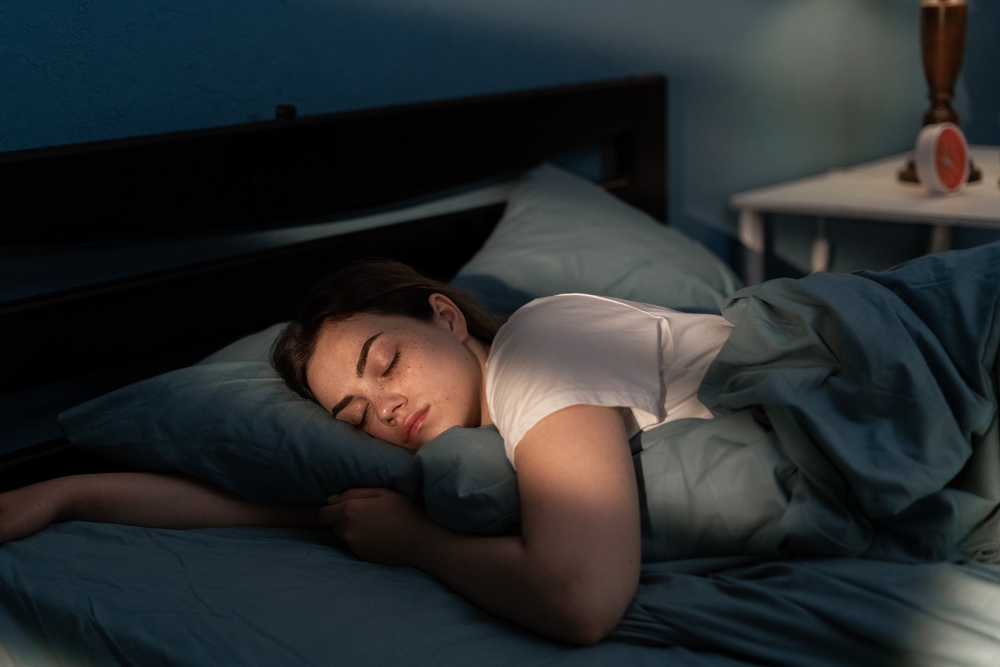
Have you ever felt your body jerk awake just as you’re about to drift off to sleep? These involuntary muscle twitches, or hypnic jerks, are common and occur as your body transitions from wakefulness to sleep. They can be strong enough to wake you up momentarily, leaving you wondering what just happened. While the exact cause of hypnic jerks is still unclear, they are generally considered harmless. Some theories suggest they might be related to anxiety, caffeine intake, or even an evolutionary reflex to keep us from falling out of trees when we used to sleep in them.
These muscle twitches are just another reminder of the complex processes your body undergoes as it prepares for rest. Though they might be startling, they’re a normal part of falling asleep for many people. Practicing relaxation techniques before bed, such as deep breathing or meditation, can help reduce the frequency of these twitches. Sometimes, simply being aware that they’re a normal occurrence can make them less bothersome. Your body is simply adjusting to the transition from the active world of wakefulness to the calm realm of sleep.
7. Your Skin Repairs Itself
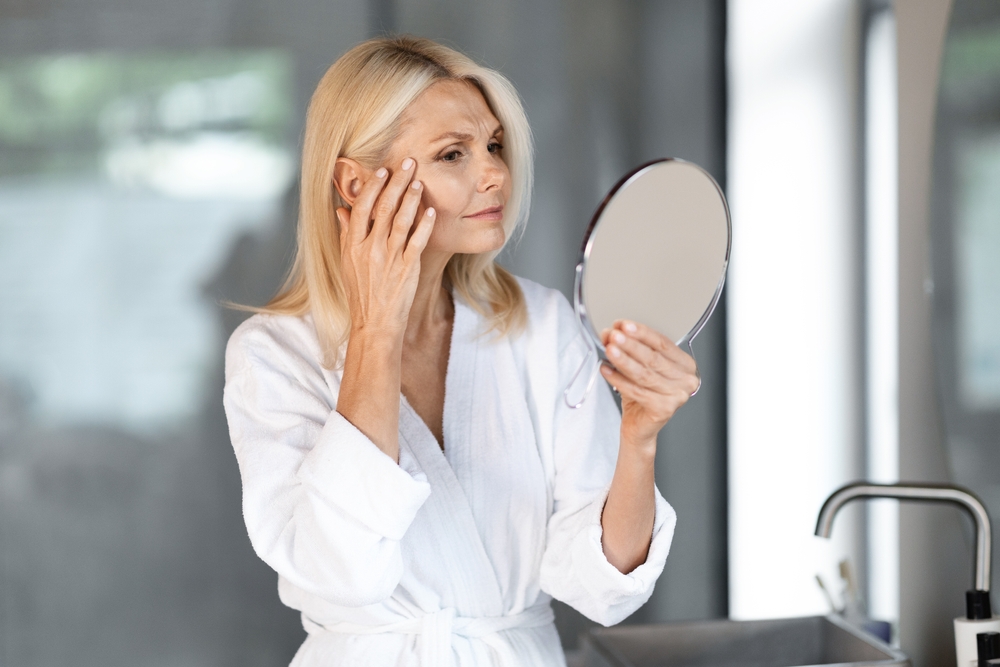
While you sleep, your skin is hard at work repairing itself from the day’s wear and tear. During deep sleep, blood flow to the skin increases, helping to rebuild collagen and repair damage from UV exposure. Dr. Howard Murad, a dermatologist, emphasizes that this nightly repair process is crucial for maintaining healthy skin. Without adequate sleep, your skin may show more signs of aging, such as fine lines and a dull complexion. It’s like your very own nightly spa treatment, courtesy of your body’s natural renewal processes.
Not only does sleep give your skin time to heal, but it also allows your skincare products to work more effectively. As your skin’s permeability increases during the night, it becomes more receptive to creams and serums. This means your nighttime skincare routine is more than just a ritual—it’s a way to enhance your skin’s natural repair processes. So, if you’re chasing that coveted youthful glow, prioritizing sleep might be just as important as your choice of moisturizer. Let your body’s nocturnal regeneration remind you of the beauty in rest.
8. You Produce Growth Hormones

As you snooze, your body ramps up the production of growth hormones. These hormones are essential for cell regeneration, muscle growth, and overall physical repair. Often referred to as the “fountain of youth,” growth hormones play a significant role in keeping your body youthful and resilient. They help repair tissues and support muscle recovery, which is particularly beneficial if you’ve had a long, physically demanding day. So, while you might think of sleep as a time of inactivity, your body is actually busy rejuvenating itself from the inside out.
The production of growth hormones is highest during the deep sleep stages, underscoring the importance of achieving quality sleep. It’s part of the reason why athletes and fitness enthusiasts prioritize rest as part of their recovery routines. A lack of sleep can disrupt this hormone production, potentially hindering physical performance and recovery. By allowing yourself a full night’s sleep, you’re giving your body the best chance to heal, grow, and prepare for whatever challenges the next day might bring. Embrace sleep as an active participant in maintaining your health and vitality.
9. Your Eyes Move Rapidly

One of the more mysterious aspects of sleep is the rapid eye movement, or REM phase. During this stage, your eyes dart back and forth beneath your eyelids, even though the rest of your body is still. This eye movement is linked to dreaming, and it’s thought to be the brain’s way of processing information and emotions from the day. REM sleep is crucial for cognitive functions like memory and learning, making it an essential component of a healthy sleep cycle. While it might look a bit freaky from the outside, these rapid movements are just your brain’s way of sorting through the mental clutter.
Interestingly, REM sleep is also associated with emotional regulation, suggesting that those dreams might be more than just random narratives. They might be your brain’s method of working through emotional experiences and stress. The absence of sufficient REM sleep can lead to mood disturbances and impaired cognitive function. This underscores the importance of a full, uninterrupted sleep cycle for mental well-being. So, next time you see someone sleeping and notice their eyes moving, remember that their brain is simply doing some much-needed housekeeping.
10. Your Throat Muscles Relax
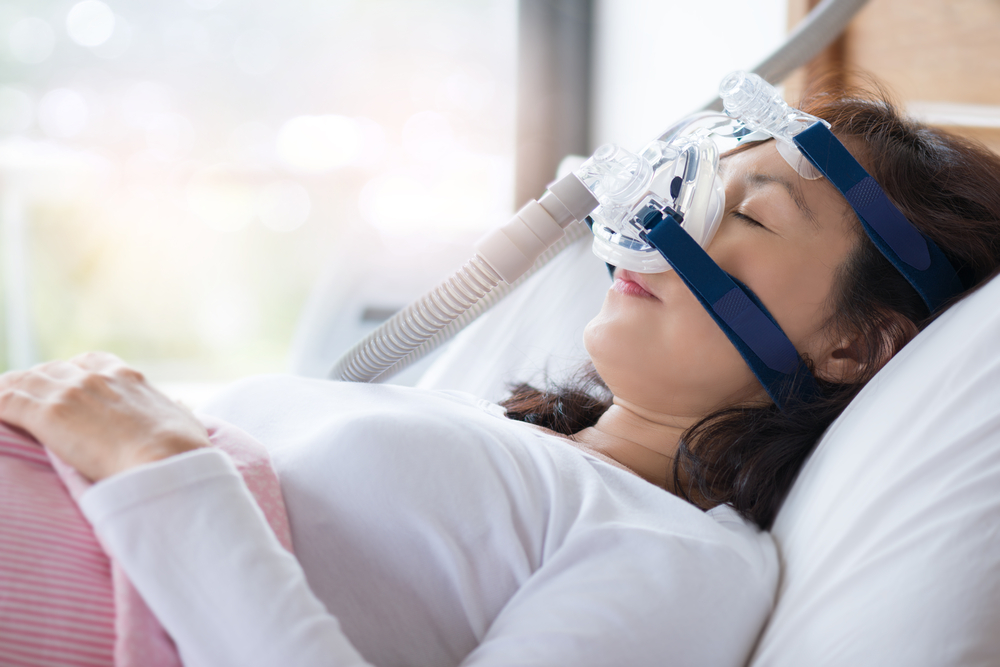
While you sleep, the muscles in your throat relax, which can lead to some interesting—and sometimes noisy—phenomena. This relaxation is why many people snore, as the tissues in the throat vibrate with each breath. Snoring can be harmless for some, but for others, it might indicate obstructive sleep apnea, a condition where breathing repeatedly stops and starts during sleep. Sleep specialists often recommend lifestyle changes or devices to help manage snoring and prevent associated health risks. It’s a reminder of how even the simplest bodily functions, like breathing, undergo changes during sleep.
The relaxation of throat muscles is also why some people drool during sleep. As these muscles loosen, they can make it harder to keep saliva in the mouth, leading to the occasional damp pillow. While it might be embarrassing, drooling is usually normal and nothing to worry about. However, if it’s excessive, it might be worth discussing with a healthcare provider. Your body’s natural relaxation process is just part of the wind-down that sleep requires, ensuring that you’re well-rested and ready for a new day.
11. Your Immune System Gets a Boost

During sleep, your immune system gets a chance to strengthen and regroup. Research has shown that the immune system uses sleep to produce proteins called cytokines, which help fight off infections and inflammation. Without adequate sleep, your body may not produce these proteins as efficiently, potentially leaving you more susceptible to illnesses. It’s like your body’s nightly defense drill, preparing to fend off invaders and keep you healthy. Giving your immune system a boost is yet another reason to prioritize getting those recommended hours of sleep.
This nightly immune activity highlights the intricate relationship between sleep and overall health. A strong immune system reduces the likelihood of getting sick and helps you recover more quickly when you do. That’s why you often crave more sleep when you’re ill; your body needs more time to marshal its defenses. By ensuring you get enough rest, you’re actively supporting your body’s ability to fight off threats. So next time you’re tempted to skimp on sleep, remember that those extra hours are an investment in your health.
12. Your Digestive System Slows Down

While you’re catching some shut-eye, your digestive system takes a bit of a break. During sleep, particularly the deeper stages, the body slows down many functions, including digestion. This slowdown allows your body to focus energy on other tasks, like repairing cells and refreshing your mind. However, this means that eating heavy meals too close to bedtime can disrupt sleep, as your digestive system struggles to keep up. It’s a balancing act that ensures you wake up feeling rested rather than with a heavy stomach.
This nocturnal slowdown is why late-night snacking isn’t usually recommended. Your body’s not in the best mode to process food, and eating too late can lead to indigestion or discomfort. To optimize both your sleep and digestive health, try to finish eating at least a few hours before bed. This gives your digestive system time to wind down, aligning with your body’s natural rhythms. Embrace this downtime as a chance for your body to reset and renew.
13. Your Hair Grows Faster

It might surprise you, but your hair tends to grow faster during the night. This phenomenon is linked to the increase in blood flow to your hair follicles during sleep, encouraging growth. It’s a subtle reminder of how active your body is even when you’re at rest. This nightly boost to hair growth is part of why getting enough sleep can impact your overall appearance. It’s not just your mind that benefits from rest; your body’s hard at work enhancing your crowning glory as well.
This increased hair growth is just one more way your body uses downtime to rejuvenate and repair. While it might not be as visible as other grooming efforts, it’s an integral part of maintaining a healthy and vibrant appearance. Ensuring you get enough sleep supports not only your cognitive and physical health but also your hair’s vitality. So, let sleep be part of your beauty routine, and wake up with hair that’s not just well-rested but well-cared for, too.

Natasha is a seasoned lifestyle journalist and editor based in New York City. Originally from Sydney, during a stellar two-decade career, she has reported on the latest lifestyle news and trends for major media brands including Elle and Grazia.