Thinning hair is becoming an increasingly common issue among women, affecting confidence and overall well-being. While genetics have always played a role, modern lifestyle factors are accelerating hair thinning at an alarming rate. Stress, diet, environmental pollutants, and hormonal imbalances are just a few of the key contributors. Many women are unaware that everyday habits and external influences could be negatively affecting their hair health. Understanding the main reasons behind hair thinning can help prevent further damage and encourage healthier hair growth.
1. Increased Stress Levels
Chronic stress is one of the biggest culprits behind hair thinning in women today. High stress triggers the release of cortisol, a hormone that disrupts the hair growth cycle. This leads to a condition called telogen effluvium, where more hairs prematurely enter the shedding phase. Stress also restricts blood flow to the scalp, depriving hair follicles of essential nutrients. As a result, hair becomes weaker, thinner, and more prone to falling out. The pressures of modern life, such as demanding careers, financial worries, and personal responsibilities, contribute to long-term stress.
Women juggling multiple roles often experience chronic fatigue, which further exacerbates hair loss. Stress-related hair thinning may not be immediate, often occurring months after a stressful event. Practicing relaxation techniques like meditation, deep breathing, and regular exercise can help lower stress levels. Managing stress effectively is crucial for maintaining healthy hair growth. According to Aventus Clinic, stress-induced hair loss can be managed by addressing the underlying causes of stress and promoting overall well-being.
2. Poor Diet and Nutrient Deficiencies

A balanced diet is essential for strong, healthy hair, but modern eating habits often lack key nutrients. Many women consume processed foods that are high in sugar and unhealthy fats but low in vitamins and minerals. Deficiencies in iron, biotin, zinc, and vitamin D have been directly linked to hair thinning. Since hair is primarily made of protein, not getting enough through diet weakens hair structure. Without adequate nutrition, hair follicles shrink, leading to thinner and weaker strands. Restrictive diets and extreme weight loss can also contribute to hair loss.
Many women cut out entire food groups in an attempt to lose weight quickly, unknowingly depriving their bodies of essential nutrients. The body prioritizes vital functions over hair growth when nutrients are scarce, leading to shedding. Eating a nutrient-dense diet rich in lean proteins, leafy greens, nuts, and whole grains supports strong hair. Supplements can help fill dietary gaps, but whole foods should always be the primary source of nutrients. As noted by Cloud Nine Hair, nutritional deficiencies, particularly in iron, zinc, and biotin, are common causes of hair loss.
3. Hormonal Imbalances
Hormones play a major role in regulating hair growth, and any imbalance can lead to thinning hair. Conditions like polycystic ovary syndrome (PCOS), thyroid disorders, and menopause cause hormonal fluctuations that affect hair health. An excess of androgens (male hormones) in women can shrink hair follicles, leading to pattern hair loss. Estrogen, which helps maintain thick hair, declines with age, making thinning more noticeable in midlife. Birth control pills and hormone replacement therapies can also impact hair growth by altering natural hormone levels.
Women experiencing postpartum hair loss often notice shedding a few months after giving birth due to sudden estrogen drops. Managing hormonal imbalances through medical guidance and lifestyle changes can help reduce hair thinning. Regular check-ups, hormone-balancing foods, and stress management techniques can support hormonal health. Understanding the link between hormones and hair loss is key to finding effective solutions. According to the Cleveland Clinic, hormonal changes during menopause can lead to hair thinning due to follicle shrinkage and hormonal imbalances.
4. Overuse of Heat Styling and Chemical Treatments
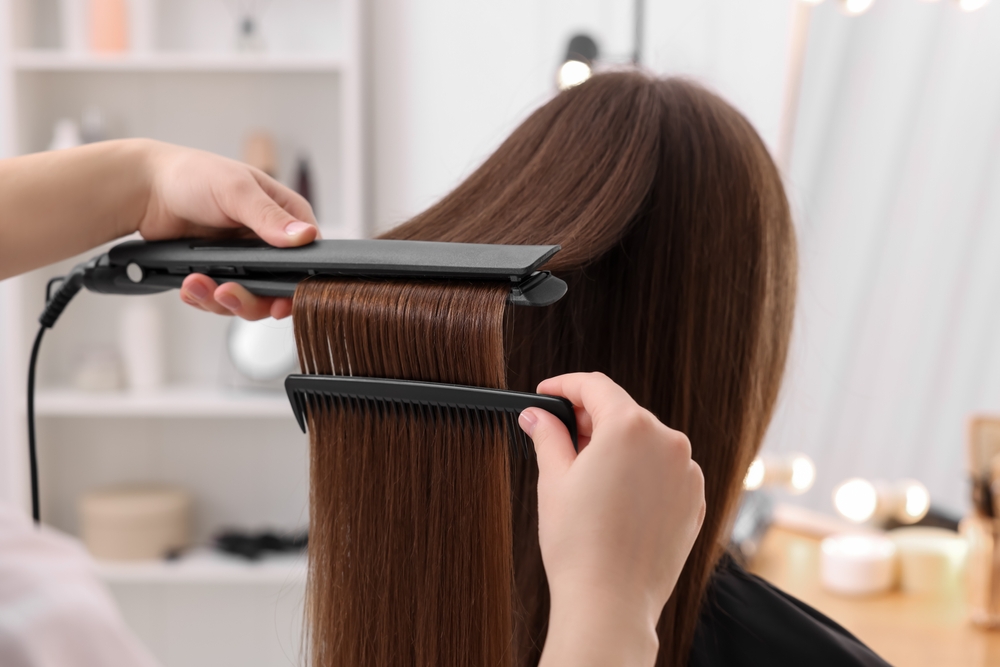
Frequent use of heat styling tools like blow dryers, curling irons, and straighteners weakens hair strands over time. Excessive heat strips moisture from the hair, making it dry, brittle, and more prone to breakage. Using these tools daily without proper heat protection speeds up hair thinning. High-temperature styling damages the hair cuticle, leading to long-term structural weakening. Chemical treatments like bleaching, relaxing, perming, and frequent hair dyeing further deteriorate hair health.
Many of these treatments break down protein bonds in the hair, causing thinning and increased shedding. Hair that is constantly exposed to chemicals loses its elasticity and strength. Reducing heat exposure, using protective sprays, and spacing out chemical treatments can help prevent further thinning. Switching to gentler styling methods and nourishing treatments keeps hair healthier and more resilient. As explained by Wimpole Clinic, minimizing heat styling and using protective treatments can help repair and prevent heat-damaged hair.
5. Environmental Pollution and Toxins
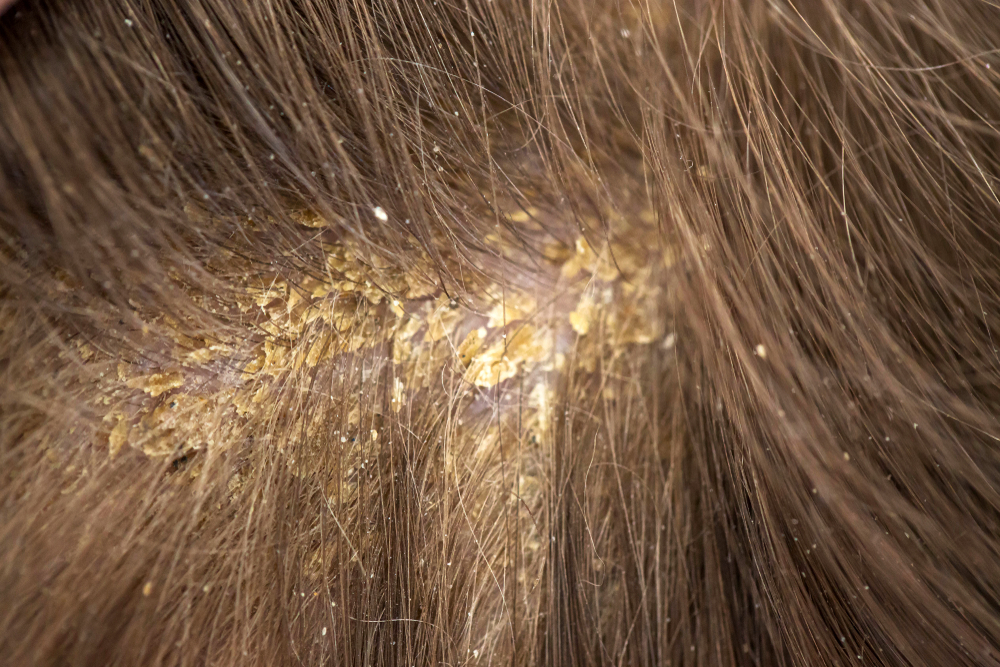
Modern environments expose women to high levels of pollutants that affect hair health. Air pollution, dust, and harsh chemicals from hair products accumulate on the scalp, clogging hair follicles. These toxins lead to inflammation, irritation, and weakened hair growth. Water quality also plays a role—hard water, which contains excess minerals, can cause buildup on the scalp, making hair more brittle.
Frequent exposure to UV rays damages the hair cuticle, leading to dryness and increased hair breakage. Chemical-laden hair sprays, dry shampoos, and styling products contribute to scalp buildup, suffocating hair follicles. Detoxifying the scalp with clarifying shampoos and using natural hair care products can help minimize damage. Wearing hats or using UV-protectant sprays protects hair from sun-related weakening. Environmental protection is essential for maintaining strong and thick hair.
6. Tight Hairstyles and Excessive Tension
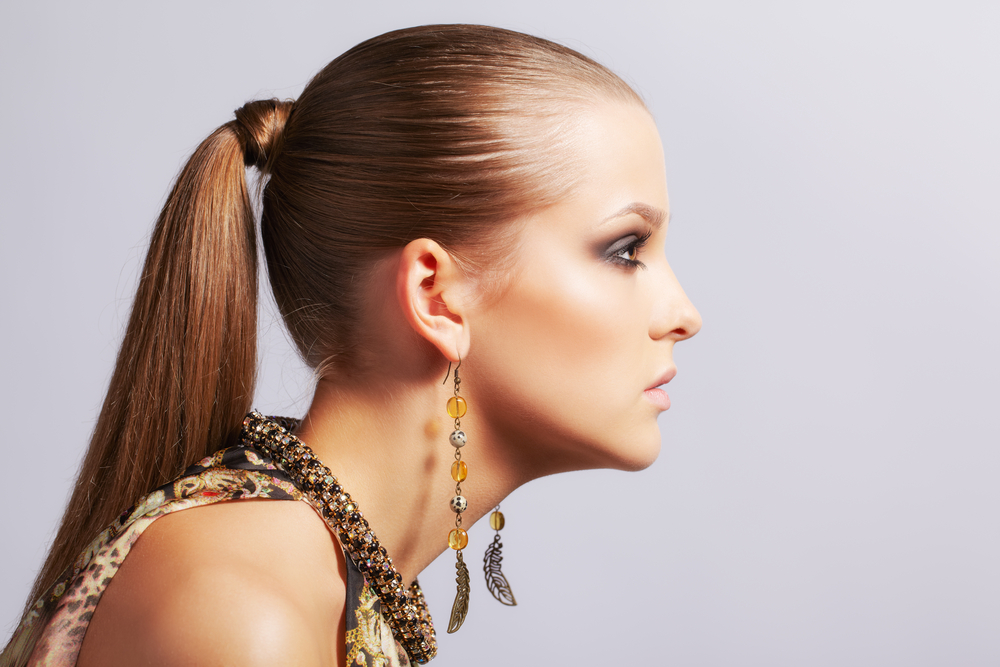
Wearing tight ponytails, braids, buns, or extensions too often can lead to traction alopecia, a type of hair loss caused by repeated tension. Constant pulling on the scalp weakens hair follicles, leading to thinning along the hairline and temples. Many women don’t realize that prolonged tension from styling choices can cause permanent hair loss. The tighter and heavier the hairstyle, the greater the risk of damage.
Switching to looser hairstyles and giving the scalp regular breaks from tension helps prevent thinning. Using soft, fabric-covered hair ties instead of rubber bands minimizes breakage. Scalp massages with nourishing oils like castor or coconut oil can stimulate blood flow and promote hair regrowth. Choosing protective styles that don’t strain the scalp helps maintain long-term hair health. Avoiding excessive tension ensures that hair remains strong and resilient.
7. Medical Conditions and Medications
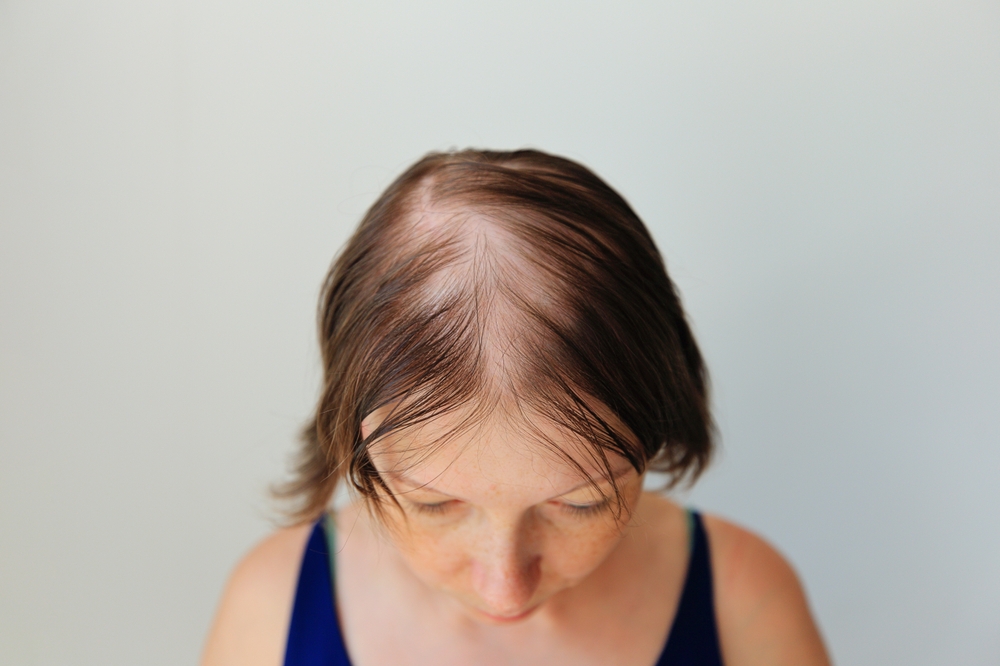
Certain medical conditions contribute to hair thinning, including autoimmune diseases like alopecia areata, lupus, and anemia. These conditions cause the immune system to attack hair follicles, leading to sudden or gradual hair loss. Anemia, caused by iron deficiency, reduces oxygen supply to hair follicles, resulting in weak and brittle hair. Women with diabetes may also experience thinning due to poor blood circulation and hormonal imbalances.
Some medications, including antidepressants, blood pressure drugs, and chemotherapy treatments, list hair loss as a side effect. Long-term medication use can disrupt the natural hair growth cycle, causing excessive shedding. If hair thinning coincides with starting a new medication, consulting a doctor can help determine alternative options. Managing underlying health conditions through proper medical care and nutrition supports healthier hair. Being aware of medical-related hair loss helps women take proactive measures.
8. Aging and Genetic Factors
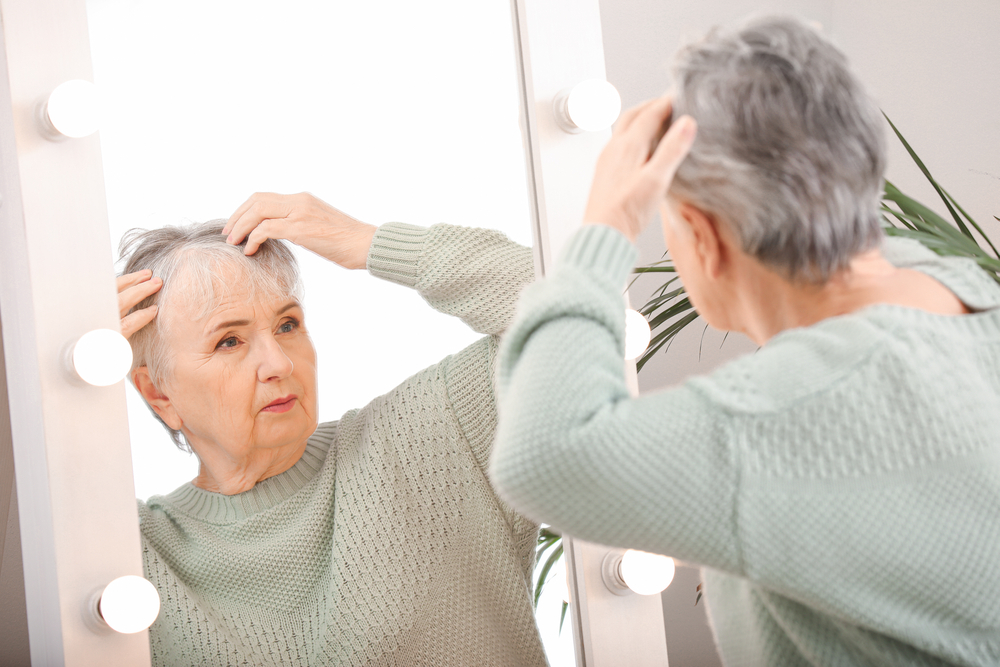
As women age, natural hair thinning becomes more noticeable due to a decline in hair follicle activity. The hair growth cycle slows down, meaning that hair sheds more than it regrows. Reduced estrogen levels, particularly after menopause, cause hair strands to become finer and weaker over time. While some women experience only mild thinning, others may develop female pattern hair loss (androgenetic alopecia), which runs in families. Genetics determine how sensitive hair follicles are to hormonal changes, making some women more prone to hair thinning than others.
Although aging and genetics cannot be entirely reversed, certain habits can slow the process. Using hair-thickening shampoos, scalp treatments, and supplements like biotin or collagen can help maintain volume. A healthy diet rich in proteins, vitamins, and minerals also supports long-term hair health. Women with a family history of hair thinning should take early preventive measures. Accepting the natural aging process while making adjustments can help maintain confidence and hair strength.
9. Sleeping Habits and Pillow Friction

Poor sleeping habits can contribute to hair thinning in ways many women don’t realize. Tossing and turning at night causes friction between the hair and pillow, leading to breakage and damage over time. Cotton pillowcases, which absorb moisture, can leave hair dry and brittle by morning. Sleeping with hair tied too tightly can also create stress on hair follicles, weakening their grip on strands. Additionally, lack of quality sleep increases stress hormone levels, which indirectly affects hair growth.
Switching to a silk or satin pillowcase reduces friction and prevents unnecessary hair breakage. Wearing a loose braid or wrapping hair in a silk scarf can also minimize overnight damage. Ensuring adequate sleep (at least 7–8 hours per night) supports the body’s ability to repair and nourish hair follicles. Creating a nighttime routine that includes scalp massages or lightweight hair oils can further improve hair health. Small adjustments to sleep habits help protect hair and reduce unnecessary thinning.
10. Excessive Use of Dry Shampoo and Hair Products
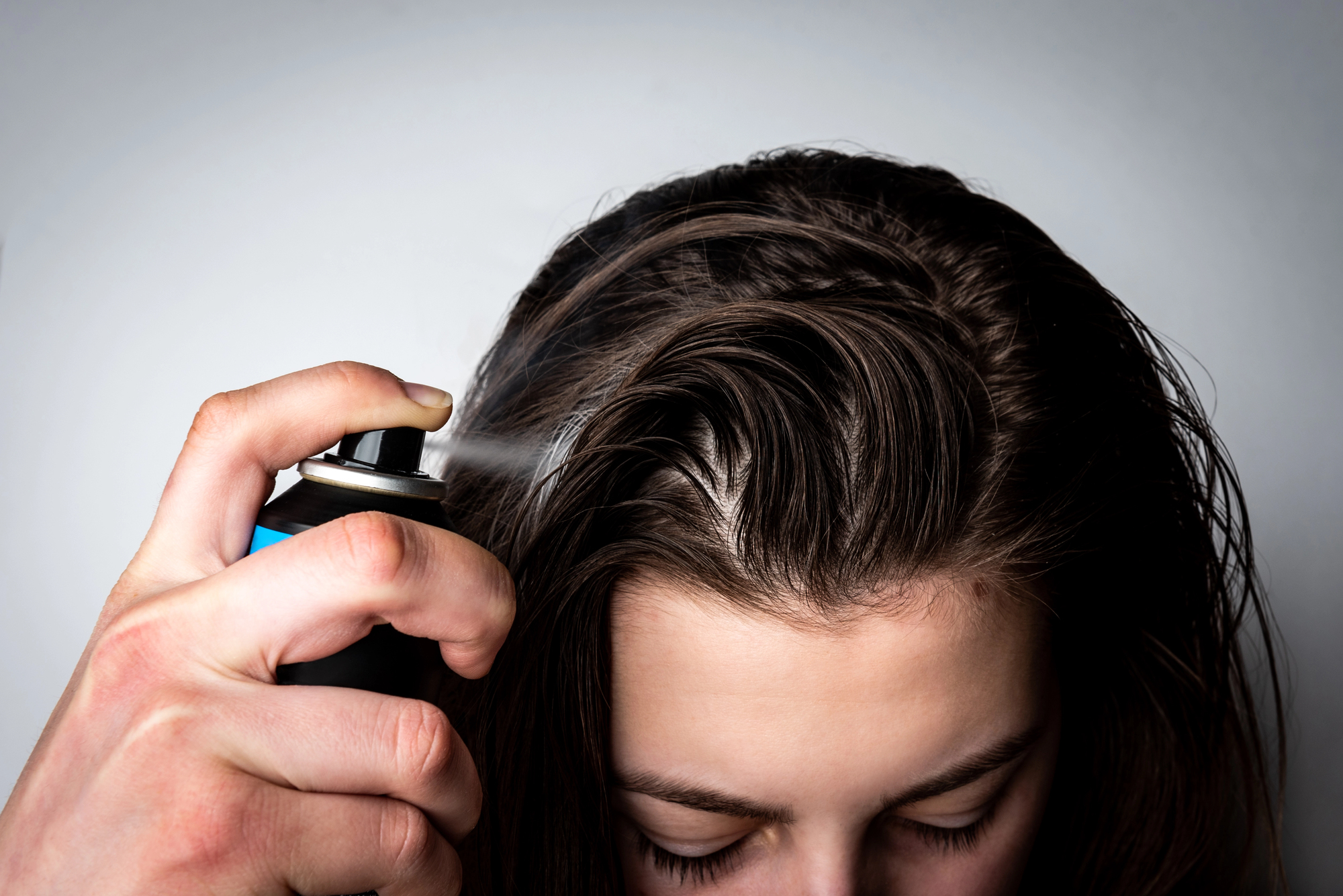
Dry shampoo has become a convenient alternative to frequent hair washing, but excessive use can negatively impact hair health. Overusing dry shampoo clogs hair follicles, leading to scalp buildup and reduced hair growth. The chemicals in some hair products strip natural oils from the scalp, causing dryness and irritation. Heavy styling products like gels, mousses, and hairsprays create a residue that weakens hair strands over time. When the scalp isn’t properly cleansed, follicles become blocked, resulting in weaker and thinner hair.
To maintain scalp health, it’s essential to wash hair regularly with a gentle, sulfate-free shampoo. Clarifying treatments or scalp scrubs help remove product buildup and restore healthy follicle function. Choosing lightweight, natural-based styling products reduces the risk of damaging hair. Giving the scalp time to breathe without excessive products allows for healthier hair growth. Proper scalp care ensures that hair remains strong, thick, and resilient.
11. Harsh Weather Conditions and Seasonal Changes

Environmental changes, such as extreme heat, cold, humidity, and pollution, can accelerate hair thinning. Hot weather dehydrates hair, making it more prone to brittleness and split ends. Cold temperatures reduce blood circulation to the scalp, slowing hair growth and causing excessive dryness. Seasonal shedding, especially in the fall and spring, is common as hair follicles react to temperature shifts. Constant exposure to air conditioning and heating systems also strips moisture from the scalp, leading to weaker strands.
Protecting hair from harsh weather conditions helps prevent unnecessary thinning. Wearing hats or scarves in extreme temperatures shields hair from sun damage and cold winds. Using hydrating hair masks and leave-in conditioners restores lost moisture during seasonal transitions. Drinking plenty of water and maintaining a balanced diet supports hair resilience throughout the year. Adapting hair care routines to different weather conditions ensures healthier, fuller hair in the long run.
12. Use Topical Serums and Hair Thickening Shampoos

Many women experience hair thinning due to weakened follicles, poor scalp health, and hormonal imbalances. One of the best ways to support hair growth is by using topical serums and shampoos designed to strengthen hair and stimulate the scalp. Hair thickening shampoos contain key ingredients like biotin, keratin, and caffeine, which nourish the scalp and encourage fuller hair. Some shampoos also include DHT blockers that help prevent hair loss linked to hormonal changes.
Topical serums, such as those containing minoxidil (Rogaine) or rosemary oil, have been clinically proven to promote hair regrowth. These serums increase blood circulation to the scalp, revitalizing dormant follicles. Applying them consistently can lead to noticeable improvements in hair density over time. Women who start using these products early can prevent further thinning and maintain a fuller head of hair.
13. Avoid Stress and Alcohol Use
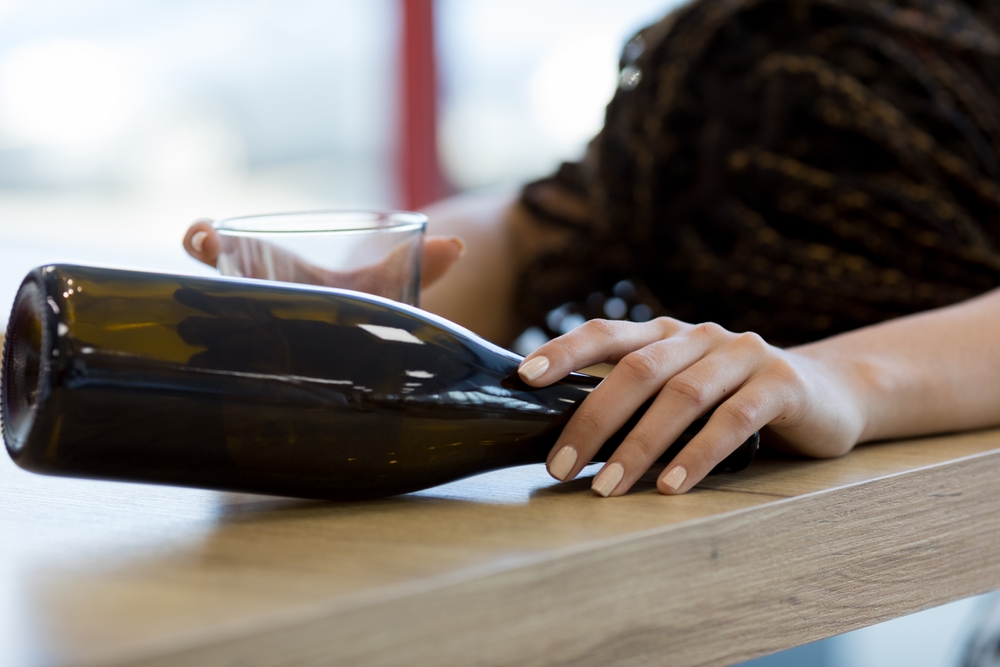
Chronic stress is one of the biggest contributors to hair thinning. When stress levels rise, the body releases excess cortisol, a hormone that disrupts the hair growth cycle. This can trigger telogen effluvium, a condition that forces more hair follicles into the shedding phase. Many women notice increased hair loss after experiencing prolonged stress from work, family pressures, or life transitions.
Alcohol consumption also negatively impacts hair health. Excessive drinking dehydrates the body, leading to poor nutrient absorption, which weakens hair follicles. Alcohol can also contribute to inflammation in the scalp, further accelerating hair thinning. Managing stress through meditation, exercise, and mindfulness techniques can help regulate hormones and support healthy hair growth. Reducing alcohol intake ensures the body receives proper hydration and nutrients to sustain strong, healthy hair.
14. Eat Anti-Inflammatory Foods
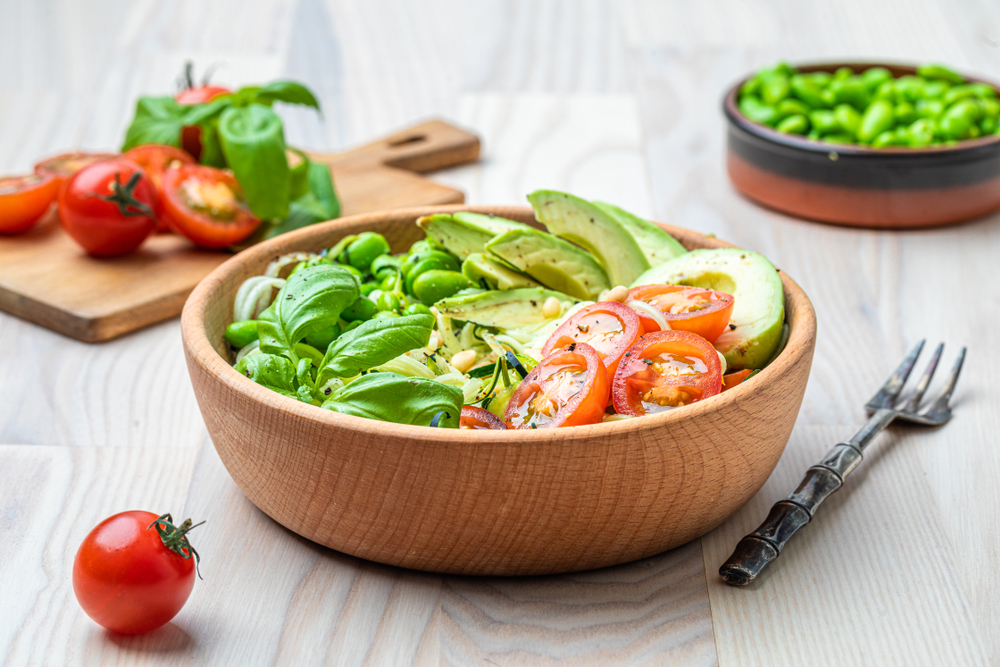
A poor diet is one of the most overlooked reasons for hair thinning in women. Processed foods high in sugar, unhealthy fats, and refined carbohydrates can contribute to inflammation, which weakens hair follicles. Chronic inflammation disrupts the normal hair growth cycle, making hair thinner and more prone to breakage.
Incorporating anti-inflammatory foods into the diet can help counteract these effects. Foods rich in omega-3 fatty acids, such as salmon, flaxseeds, and walnuts, promote scalp health and strengthen hair. Leafy greens, berries, and turmeric contain antioxidants that reduce oxidative stress, which is a major cause of hair loss. Protein-rich foods like eggs, lean meats, and legumes provide the necessary building blocks for keratin, the protein that makes up hair strands. Eating a balanced, nutrient-dense diet ensures the body gets the vitamins and minerals needed to support strong, thick hair.
Women today experience hair thinning more frequently due to lifestyle factors, stress, and poor dietary choices. While genetics play a role, many contributing factors can be controlled with the right hair care and lifestyle changes. Using topical serums and hair-thickening shampoos strengthens hair follicles and promotes regrowth. Reducing stress and alcohol consumption helps maintain hormonal balance and scalp health. Eating anti-inflammatory foods supports hair from within, ensuring the body has the nutrients needed for strong, healthy strands. By addressing these issues, women can take control of their hair health and prevent further thinning.