
As the effects of climate change become more evident across the globe, many people are starting to notice the mental health consequences that come with it. Extreme weather events, air pollution, and the overall disruption to our environment are not only physically harmful, but they can take a serious toll on our emotional well-being. From depression to anxiety, the mental health implications of climate change are both profound and alarming. Here are 13 frightening ways climate change is impacting mental health.
1. Eco-Anxiety: The Fear Of An Uncertain Future

Eco-anxiety is a growing mental health issue that arises from the fear of environmental destruction due to climate change. It manifests as a constant feeling of dread about the planet’s future, and it’s especially prevalent among younger generations. This anxiety is often compounded by the feeling of helplessness as individuals feel like their efforts can’t make a difference in the fight against climate change. Over time, this ongoing stress can lead to depression, sleep disturbances, and a general sense of despair. According to Healthline, eco-anxiety functions as a motivator for survival, propelling individuals to seek solutions for climate damage.
Interestingly, eco-anxiety isn’t just about being aware of environmental threats, but about the fear of losing the future altogether. Those experiencing this mental strain may feel disconnected from a hopeful future or even their personal goals. With no clear solutions or timelines in sight, the constant uncertainty worsens emotional distress, making it harder to remain hopeful about life and the future.
2. Post-Traumatic Stress Disorder (PTSD) From Natural Disasters

As climate change leads to an increase in the frequency and severity of natural disasters like hurricanes, wildfires, and floods, survivors are at risk for post-traumatic stress disorder (PTSD). The overwhelming trauma of losing homes, loved ones, or entire communities during these extreme events can result in long-term psychological impacts. Survivors often relive these traumatic experiences through nightmares, flashbacks, and heightened anxiety.
What’s even more concerning is that the threat of future disasters keeps the trauma alive for many individuals. The anticipation of another disaster can trigger recurring psychological symptoms. The unpredictability and severity of natural disasters make it incredibly difficult for people to feel safe, which can exacerbate PTSD and lead to prolonged mental health struggles. According to The Lancet, repeated exposure to disasters is associated with worsening mental health outcomes, including PTSD.
3. Increased Risk Of Depression In Affected Communities

Communities severely affected by climate change, particularly those in low-lying or coastal regions, face a heightened risk of depression. The direct impacts of climate change, such as extreme weather events, loss of livelihood, and displacement, can trigger feelings of hopelessness and grief. These changes often lead to economic insecurity and social instability, which further contribute to mental health struggles. According to Frontiers in Psychiatry, climate change negatively impacts mental health, especially in vulnerable populations like refugees and those with low socioeconomic status.
The emotional toll of losing homes, jobs, and entire ecosystems can be devastating, leading to a sense of isolation and abandonment. As people feel they have lost their sense of community and purpose, depression becomes more common in these areas. These communities may struggle to access mental health support, amplifying the long-term psychological damage caused by climate change.
4. Climate Change and Anxiety In Children

Children are particularly vulnerable to the mental health impacts of climate change, especially as they witness the increasing frequency of extreme weather events. The fear and uncertainty they experience when they hear about climate disasters can leave them anxious and uncertain about the future. This anxiety can manifest as difficulty concentrating, nightmares, and fears of environmental collapse.
What’s alarming is that children are often more susceptible to developing long-term mental health issues, as the traumatic impact of climate change may shape their worldview. The stress of knowing that their future may be compromised by environmental decline can be overwhelming. Without proper guidance and coping strategies, this early anxiety can lead to persistent emotional challenges throughout their lives. According to Frontiers in Psychology, children experience affective responses and eco-anxiety in reaction to climate change awareness, leading to symptoms like depression and anxiety.
5. Displacement And Migration: The Psychological Impact
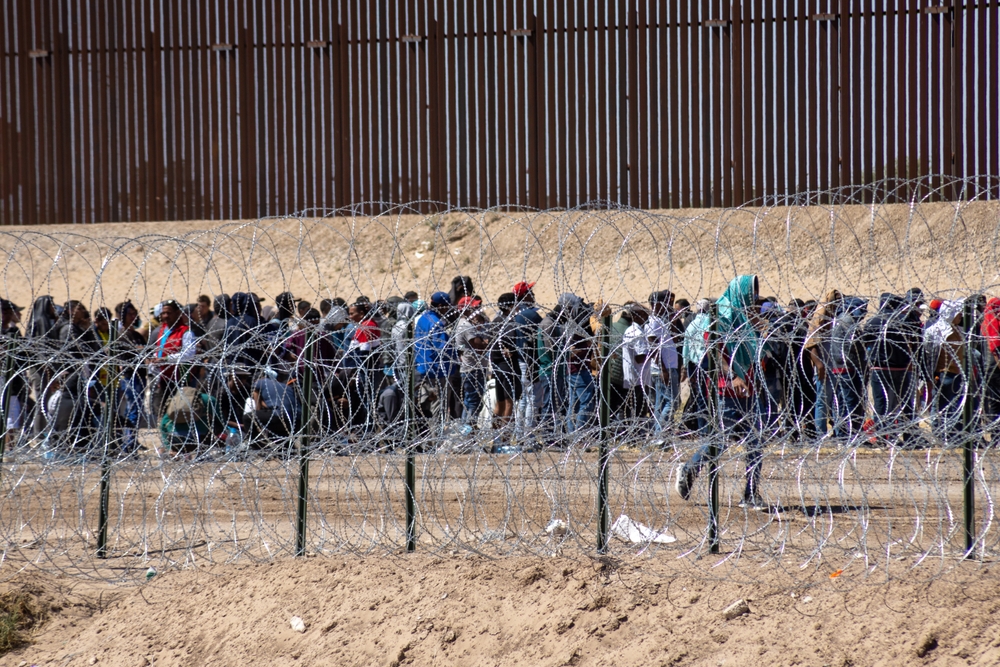
As climate change leads to rising sea levels, desertification, and other environmental changes, displacement and migration are becoming more common. This uprooting from one’s home, often due to extreme weather events, can create a profound sense of loss, grief, and identity disruption. People forced to migrate due to climate change face a range of psychological struggles, from depression to trauma caused by the loss of their homes and communities.
Additionally, climate refugees often experience a lack of access to basic resources and support systems in their new environments. The stress of adjusting to unfamiliar places, combined with the lingering trauma of displacement, can exacerbate mental health conditions. Without appropriate mental health care and social support, these individuals are more vulnerable to long-term psychological harm.
6. The Toll Of Air Pollution On Mental Health
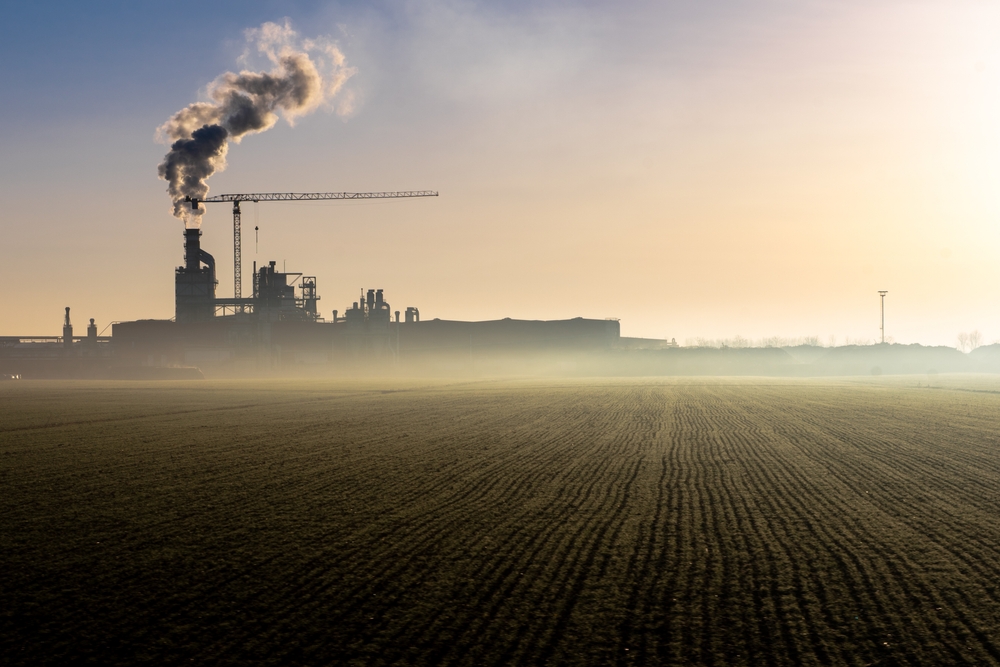
Air pollution is not just harmful to the body—it also has significant implications for mental health. Studies have shown that long-term exposure to polluted air can increase the risk of depression, anxiety, and cognitive decline. Pollutants in the air, such as particulate matter, have been linked to inflammation in the brain, which can contribute to mental health disorders.
Even in urban areas where air quality is a constant concern, individuals living in polluted environments may experience chronic stress and anxiety due to the ongoing exposure. The feeling of being unable to escape harmful air quality can lead to a pervasive sense of helplessness. This constant environmental stressor can compound other mental health issues, contributing to an overall decline in emotional well-being.
7. Heat-Related Mental Health Issues

As global temperatures rise, the mental health effects of extreme heat are becoming more apparent. High heat levels have been linked to increased rates of aggression, irritability, and even violent behavior. The discomfort of extreme heat can make it harder for people to think clearly or manage stress, leading to heightened emotional and psychological struggles.
Research has also found that heatwaves can exacerbate pre-existing mental health conditions, such as anxiety and depression. For those living in areas without adequate cooling systems, the inability to escape the heat can further contribute to feelings of frustration and helplessness. These heat-related mental health issues are particularly dangerous for vulnerable populations such as the elderly and those with underlying health conditions.
8. The Impact Of Drought On Mental Health
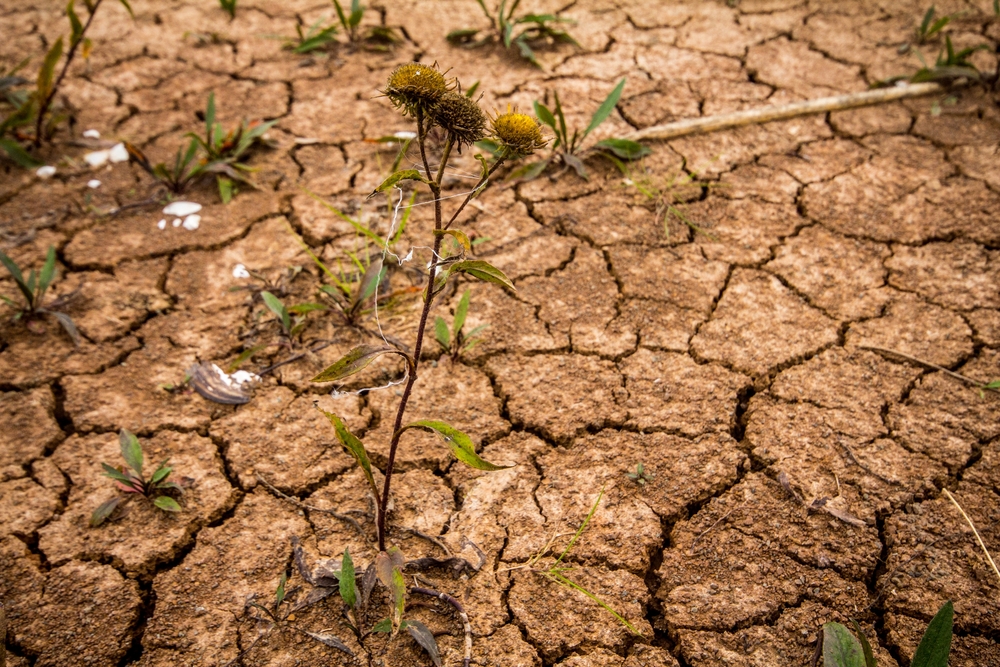
Prolonged droughts are one of the most devastating effects of climate change, particularly for those who rely on agriculture for their livelihood. The stress of crop failure and the loss of income can lead to severe mental health issues, including anxiety and depression. For farmers and rural communities, droughts can feel like a direct attack on their way of life, leading to a sense of powerlessness and despair.
In some cases, this environmental stress can lead to suicidal thoughts or attempts, as individuals may feel they have no control over their circumstances. The emotional and economic toll of droughts is compounded by the difficulty of recovering from long-term environmental damage. Addressing the psychological impact of droughts is crucial to helping these communities adapt and survive.
9. Water Scarcity And Mental Health Strain

Water scarcity is another emerging threat tied to climate change, with a direct impact on mental health. Access to clean water is essential for survival, and the loss of reliable water sources can create chronic stress and anxiety. In areas where water scarcity is prevalent, individuals may experience constant worry about their next water supply, leading to a state of psychological strain.
What’s particularly concerning is that water shortages disproportionately affect marginalized communities, making them even more vulnerable to mental health issues. The uncertainty of living in a water-scarce environment can erode a sense of security and well-being, leading to long-term psychological challenges. This stress may also worsen existing mental health conditions, contributing to a cycle of emotional distress.
10. Social Isolation Due To Climate Change

Social isolation is another mental health issue tied to the impacts of climate change, especially as communities are displaced or broken apart by natural disasters. The loss of homes, neighborhoods, and social networks can lead to loneliness and a sense of disconnection from others. This sense of isolation can increase the risk of depression, anxiety, and even suicidal thoughts in some individuals.
The loss of familiar environments and routines can be emotionally taxing, making it difficult for individuals to maintain social bonds. In addition, some individuals may retreat into themselves as a way of coping with the overwhelming stress of climate-related events. Social support networks play a crucial role in mental health, and climate change-induced isolation can leave many vulnerable to severe emotional distress.
11. Climate Change And The Rise Of Substance Abuse

The mental health impacts of climate change, such as eco-anxiety and trauma from natural disasters, can lead some individuals to turn to substances as a coping mechanism. The stress and trauma caused by climate change can trigger a rise in substance abuse, as individuals seek ways to numb their emotional pain. This can create a dangerous cycle of addiction, as the root causes of distress remain unaddressed.
Substance abuse not only worsens mental health conditions but also contributes to physical health decline. As individuals rely on alcohol or drugs to manage their emotions, their overall health and well-being suffer. Addressing the mental health impacts of climate change through proper support and treatment is essential to preventing the rise of substance abuse.
12. Climate Change And The Impact On Mental Health Services

As climate change continues to impact communities, mental health services are becoming increasingly strained. The demand for psychological support rises following natural disasters and other environmental impacts, but resources are often limited or inaccessible. This strain on mental health services can make it difficult for individuals to access the care they need, leading to untreated mental health conditions and worsening psychological distress.
Additionally, mental health professionals themselves may experience burnout as they work to support those affected by climate change. This can exacerbate the already significant shortage of mental health services. As climate change accelerates, it’s crucial to invest in expanding mental health care infrastructure to meet the growing demand for psychological support.
13. The Impact On Future Generations

Finally, the mental health of future generations is at risk due to the escalating effects of climate change. Children and young adults, especially those raised in areas affected by extreme weather or environmental degradation, face a future fraught with anxiety and uncertainty. The fear of inheriting a damaged planet can affect their overall mental well-being, potentially leading to eco-anxiety and other mental health struggles.
What’s troubling is that these individuals may grow up feeling powerless to change the trajectory of the planet, which can lead to a sense of hopelessness. This generational trauma from climate change has the potential to create a cycle of emotional distress that can span decades. It’s crucial to address these mental health risks now to help future generations cope with the environmental challenges ahead.

Natasha is a seasoned lifestyle journalist and editor based in New York City. Originally from Sydney, during a stellar two-decade career, she has reported on the latest lifestyle news and trends for major media brands including Elle and Grazia.